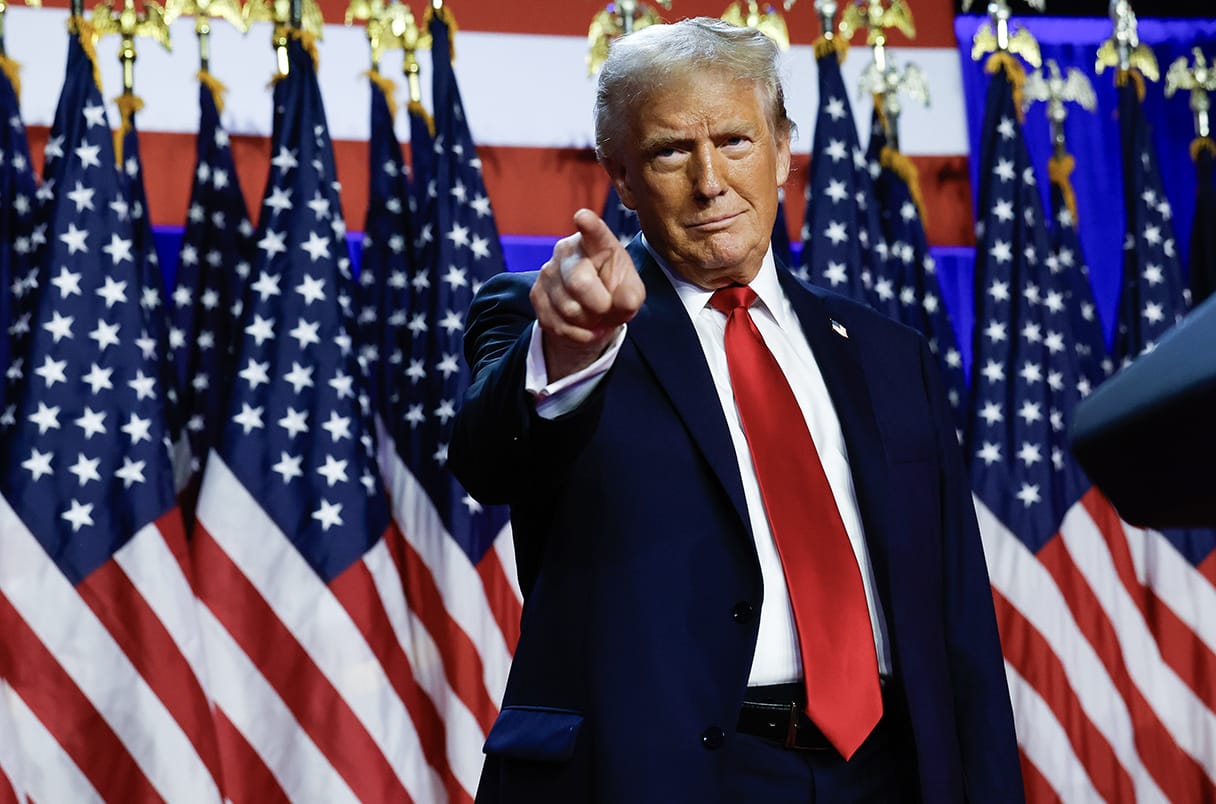
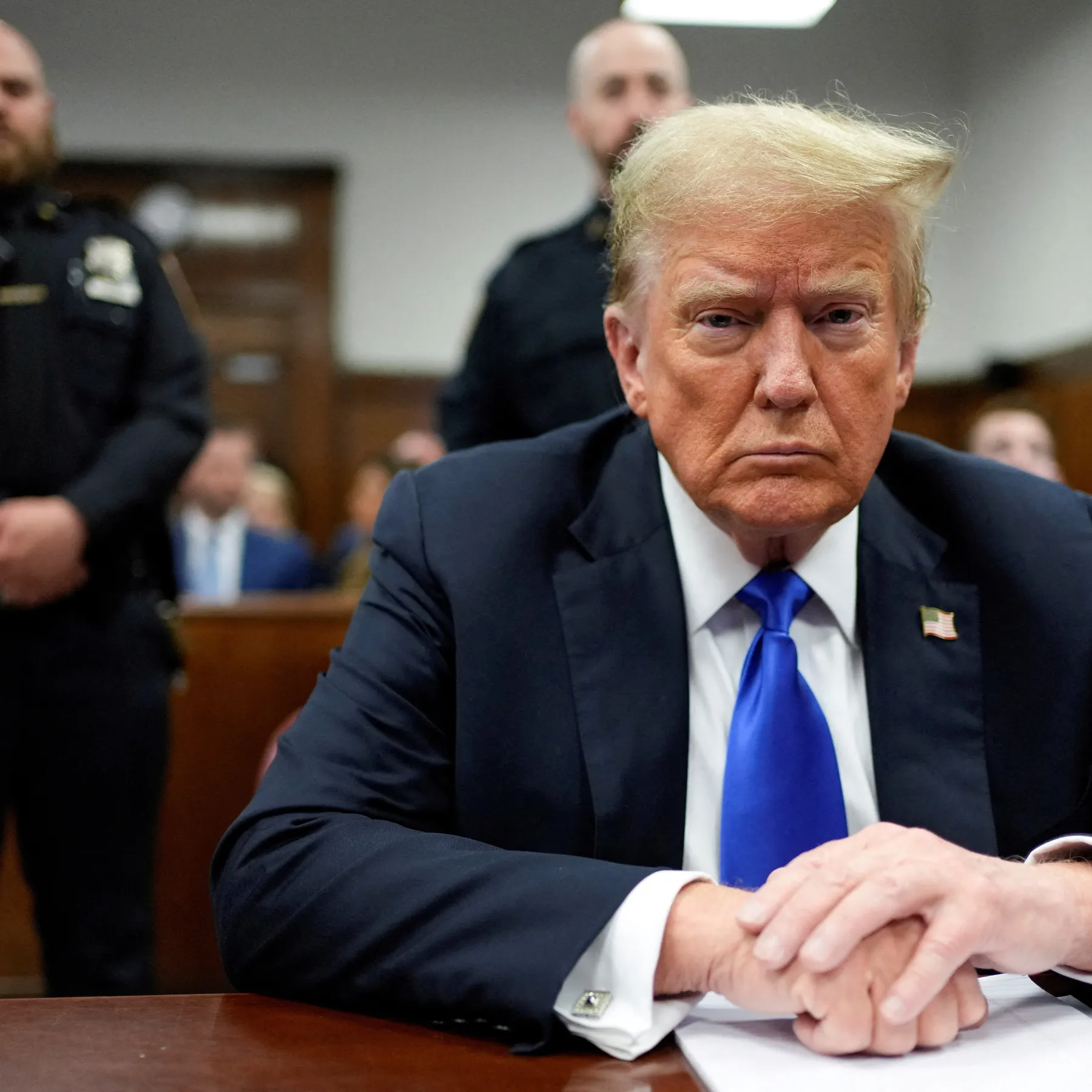
In a significant turn of events, a federal judge has dismissed the special counsel’s election case against President-elect Donald Trump. This decision marks a pivotal chapter in American legal history, highlighting the complexities surrounding the prosecution of a sitting president. Let’s delve into the implications of this ruling and what it means for Trump and the broader political landscape.
Background of the Case
The case centered around Trump’s alleged efforts to overturn the results of the 2020 presidential election. Following his loss, Trump faced claims of improperly trying to invalidate the election outcomes. Special Counsel Jack Smith led the investigation, presenting evidence regarding Trump’s actions surrounding the January 6 Capitol riots. However, Trump maintained his stance of not guilty, asserting that the accusations were politically motivated.
The Dismissal Explained
Judge Tanya Chutkan ruled to dismiss the charges “without prejudice.” This terminology indicates that while the case is currently closed, it can be reopened in the future. Smith had requested this dismissal citing a longstanding policy of the Justice Department, which stipulates that a sitting president cannot be criminally prosecuted. This decision reflects the complexities involved with legal actions against high-ranking officials, especially the sitting president at that time.
Jack Smith articulated in his filing the Justice Department’s position: “The United States Constitution forbids the federal indictment and subsequent criminal prosecution of a sitting president.” He further clarified that the dismissal was not indicative of the case’s merits but rather a necessity based on constitutional constraints.
Legal Precedents and Implications
The dismissal of the election subversion charges showcases unprecedented legal territory in the American judicial system. Never before has a former president faced federal criminal charges. Smith’s pursuance of Trump’s alleged misconduct illuminated the delicate balance between legal accountability and political power.
In recent years, Trump’s legal saga has intertwined closely with his political ambitions. Winning the 2024 election while facing multiple legal challenges exemplifies how the judicial system operates within a political context. The dismissal of charges may empower Trump’s narrative as he revitalizes his political base.
Federal vs. State Prosecutions
While the federal cases have been dismissed, Trump continues to grapple with various state-level prosecutions, particularly in Georgia and New York. These prosecutions center around allegations that Trump and his associates attempted to influence the 2020 election’s outcome. Special Counsel Smith’s dismissal request intentionally keeps the door open for future federal action while leaving numerous state-level investigations ongoing.
Legal experts predict that Trump’s presidential immunity will not protect him against state charges. “His criminal problems go away,” stated former federal prosecutor Neama Rahmani, referring to Trump’s unique position as president. However, this immunity is temporary and may resurface once Trump leaves office.
Reactions to the Decision
Trump responded to the dismissal with fervor on his social media platform, Truth Social. He characterized the federal cases as “empty and lawless.” Trump described the situation as a “political hijacking,” portraying his facing of charges as an assault on the democratic process. His supporters echo these sentiments, emphasizing a belief that the legal actions against him are steeped in partisanship.
Vice-President-elect JD Vance also chimed in, arguing that had Trump lost the election, the repercussions might have remained severe. “If Donald J. Trump had lost an election, he may very well have spent the rest of his life in prison,” Vance stated, highlighting the contentious nature of the investigations.
The Role of Special Counsel Jack Smith
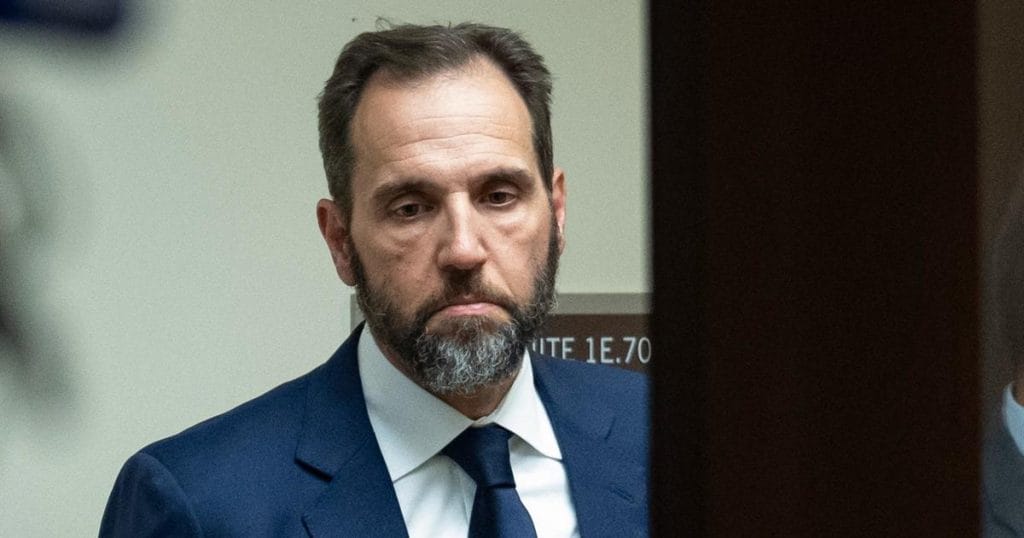
Jack Smith remains a pivotal figure in the investigations surrounding Trump. Having been appointed in 2022, he has worked diligently to navigate this legal quagmire. His plans to resign signal potential changes in the approach to this case. As investigative focus shifts, Trump’s legal strategy may further evolve.
Throughout the inquiries, Smith emphasized that regardless of the dismissal, the government’s stance on prosecution remains unchanged. His pursuit has entwined with a reevaluation of presidential immunity and the actions Presidents can undertake while in office.
Conclusion: What’s Next for Trump?
The dismissal of the Trump election case marks a significant legal event with reverberations across American politics. Trump will continue to face scrutiny from state courts amidst his attempts to regain the presidency. The lingering question remains: Will this dismissal empower his political resurgence or leave him vulnerable to ongoing legal entanglements?
Trump’s journey has just begun, facing multiple layers of legal challenges and potential conflicts. His supporters view the dismissal as a clear sign of redemption, while critics warn against the dangers of unbridled presidential power. As the nation watches closely, engaging in respectful dialogue around these events will be crucial for understanding how they shape America’s democratic fabric.
Sources: