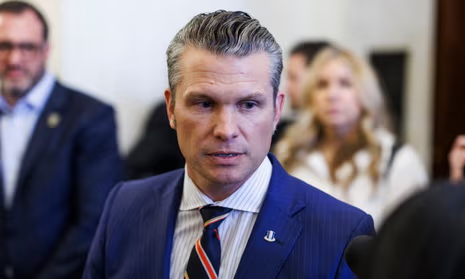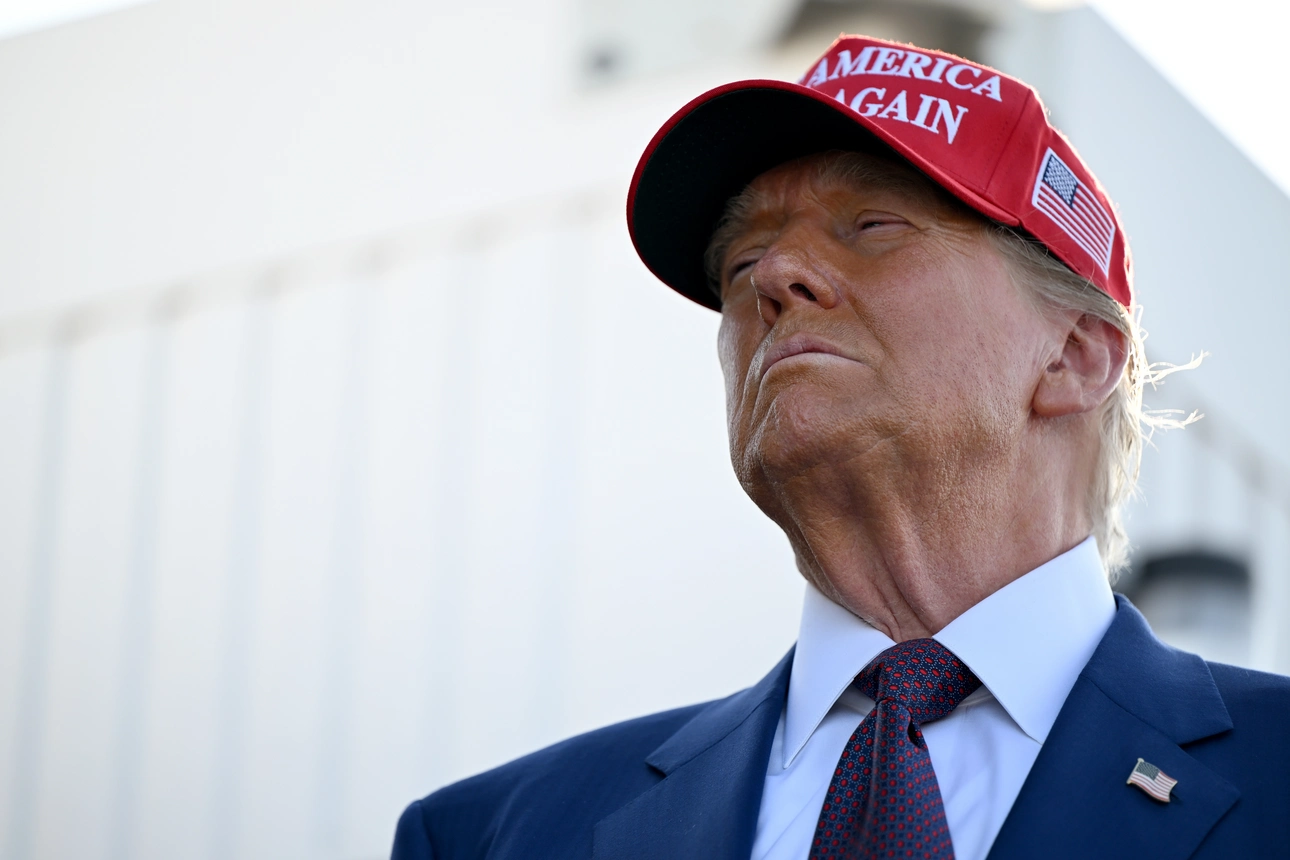
In the midst of political change, transitions between administrations hold significant importance. As President-elect Donald Trump prepares to helm the federal government again, challenges abound. Recent reports reveal a troubling picture of his team’s transition efforts. The Trump transition delays raise questions not only about preparedness but also about the implications for national security.
The Backstory of Transition Delays
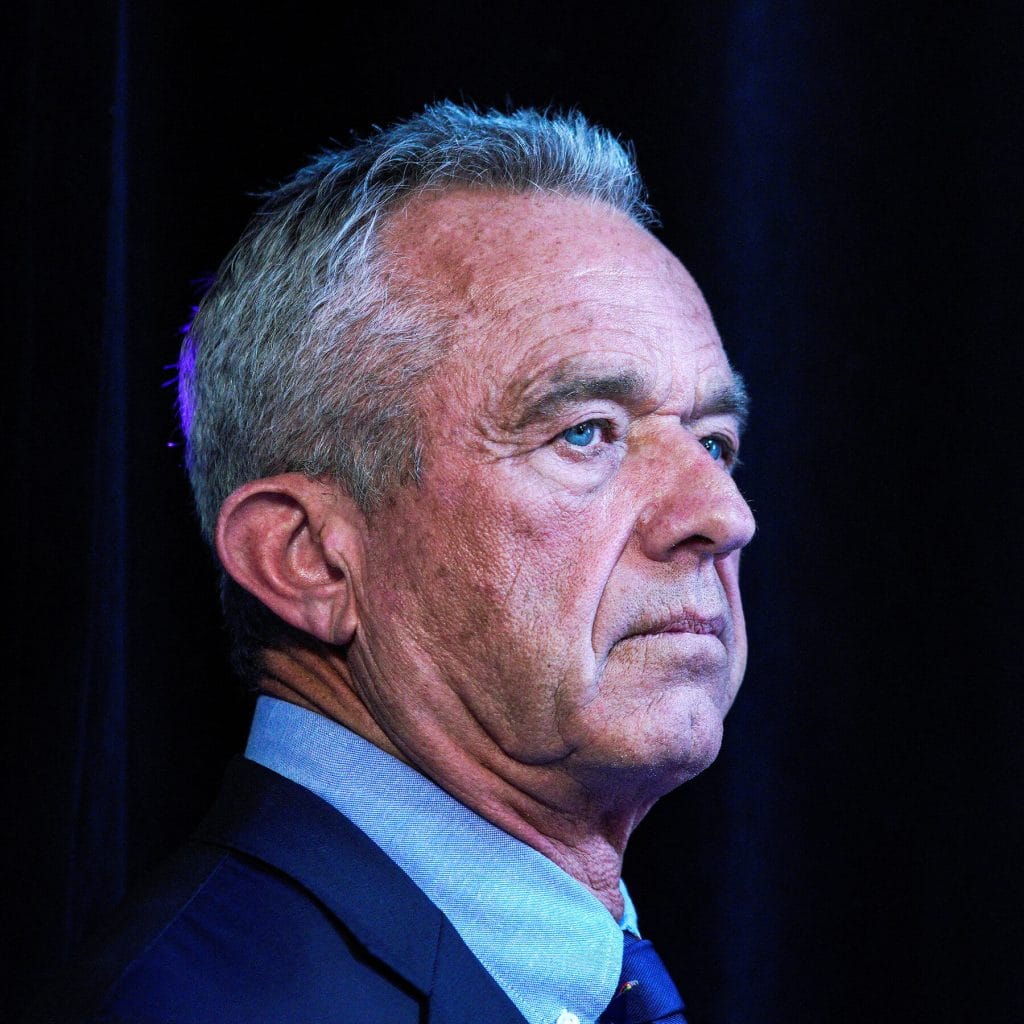
The incoming administration usually begins coordination with federal agencies well before an inauguration. However, this time, the Trump team faces a unique predicament. Advisers to Robert F. Kennedy Jr., Trump’s choice to lead the Health and Human Services Department, have encountered significant barriers in communication. They reached out multiple times to initiate coordination plans. Unfortunately, they faced rebuffs from the agencies.
This lack of communication confirms a broader issue: the Trump transition team has yet to sign crucial ethics and transparency agreements. These documents typically pave the way for seamless interactions between the incoming administration and federal agencies. The delay raises significant concerns regarding the readiness of the Trump administration to take charge when they assume office.
The Importance of Ethics Agreements
Why are these ethics agreements so critical? Such memorandums ensure that new appointees adhere to standards that promote transparency and ethical behavior within their ranks. The Trump transition delays in signing these agreements stand out vividly against the backdrop of previous transitions. Both Biden’s and Kamala Harris’ teams had no issues signing these documents before the election, signaling readiness to govern.
Without these memorandums, several forms of essential contact with federal agencies become unavailable. For instance, secure email servers, cybersecurity support, and even background checks for nominees hinge on these agreements. As a journalist focusing on political integrity, I see the dangers posed by these lapses in governance.
The Impact on National Security
Equally alarming is the national security dimension. Without formal agreements, Trump’s team lacks access to critical government data. This information includes intelligence related to ongoing operations and security protocols previously established. Just think about it: without proper insights into the current national security landscape, the transition team may struggle to address immediate challenges.
This delay has become a topic of concern among watchdog groups, ethics experts, and former government officials. It complicates the already intricate process of taking over the vast machinery of the federal government. Moreover, Republicans and Democrats alike within Congress have noted the ramifications for background checks and confirmations, highlighting a bipartisan concern.
Consequences for Cabinet Nominees
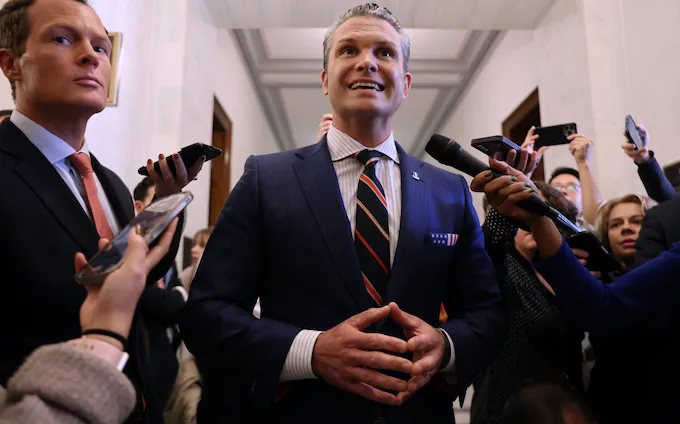
Senate Democrats have voiced worries about the implications of Trump’s transition delays on their nominees. The absence of FBI background checks creates a risk that nominations could stumble in the confirmation process. Senators emphasize the need for thorough vetting to ensure that appointees meet necessary integrity standards. The current political climate demands transparency; without it, the legitimacy of the incoming administration may come into question.
For example, Defense Secretary nominee Pete Hegseth found himself implicated in controversy due to insufficient vetting related to previous allegations involving misconduct. As reports of such incidents emerge, the political scrutiny intensifies. Without a solid foundation of trust and transparency, the Senate should approach confirmations with extreme caution.
Concerns from Across the Aisle
Republican perspectives also add layers to the conversation. Sources close to Trump’s transition argue that there’s no rush to sign the agreements because things appear to be functioning smoothly. This assertion raises eyebrows, especially given the lack of formal outreach from the Trump transition team to various government departments. Comments from insiders suggest that the team prefers to rely on private funding and personal vetting protocols, which could lead to additional ethical dilemmas.
However, these sentiments are coupled with recognition from within the party regarding the importance of transparency and accountability. Voter trust is paramount, and any perception of impropriety risks eroding support among political constituents.
Transitioning in the Digital Age
The increasing reliance on technology only heightens the stakes. With growing concerns over cybersecurity, the hesitation to engage with federal cybersecurity support leaves the transition vulnerable. Experts are already raising alerts about recent breaches, including incidents that directly impacted Trump’s own team. Transitioning in the digital age demands proactive engagement with cybersecurity resources to safeguard sensitive information.
Moreover, the public’s right to know about potential ethical conflicts among transition staffers brings them further scrutiny. Until agreements are signed, many staffers operate outside the boundaries of federal oversight, making it nearly impossible to assess any conflicts of interest.
Historical Context and Lessons Learned
Historical precedents illustrate the importance of smooth transitions. In 2004, the 9/11 Commission linked delayed transitions to significant oversights in national security. They underscored the need for timely transitions to ensure that incoming leaders are adequately prepared. Furthermore, history serves as a cautionary tale; the chaos of previous transitions illustrates the dangers posed by neglecting necessary preparations.
In Biden’s case, a multi-week delay followed Trump’s refusal to concede, severely impacting readiness to address pressing crises. This included coordinating responses effectively during the COVID-19 pandemic and adapting to national security threats, such as those emerging from hostile nations.
Looking Ahead: A Call for Collaboration
As the January inauguration draws near, the question remains: will the Trump transition team sign the necessary agreements? The Biden administration has extended offers of support, emphasizing the importance of facilitating a smooth handover. However, ongoing negotiations suggest that cooperation remains elusive.
Trump’s spokesperson confirms ongoing discussions but provides few details. Transparency around the issues delaying these agreements would benefit all parties involved. Clarity could help ease tensions and demonstrate to voters that governance is about serving the nation, not just ambitious individual agendas.
Conclusion: The Stakes Are High
The stakes in this transition are undeniably high. The Trump transition delays affect not just the incoming administration but the nation as a whole. A lack of coordination could hinder the ability to respond to immediate crises and change the political landscape’s overall dynamics.
As citizens, we must continue to engage with the political process critically. Supporting a transparent and effective transition process fosters a stronger democracy. The notion that governance should always involve cooperation across party lines remains essential in moving forward.
Source: