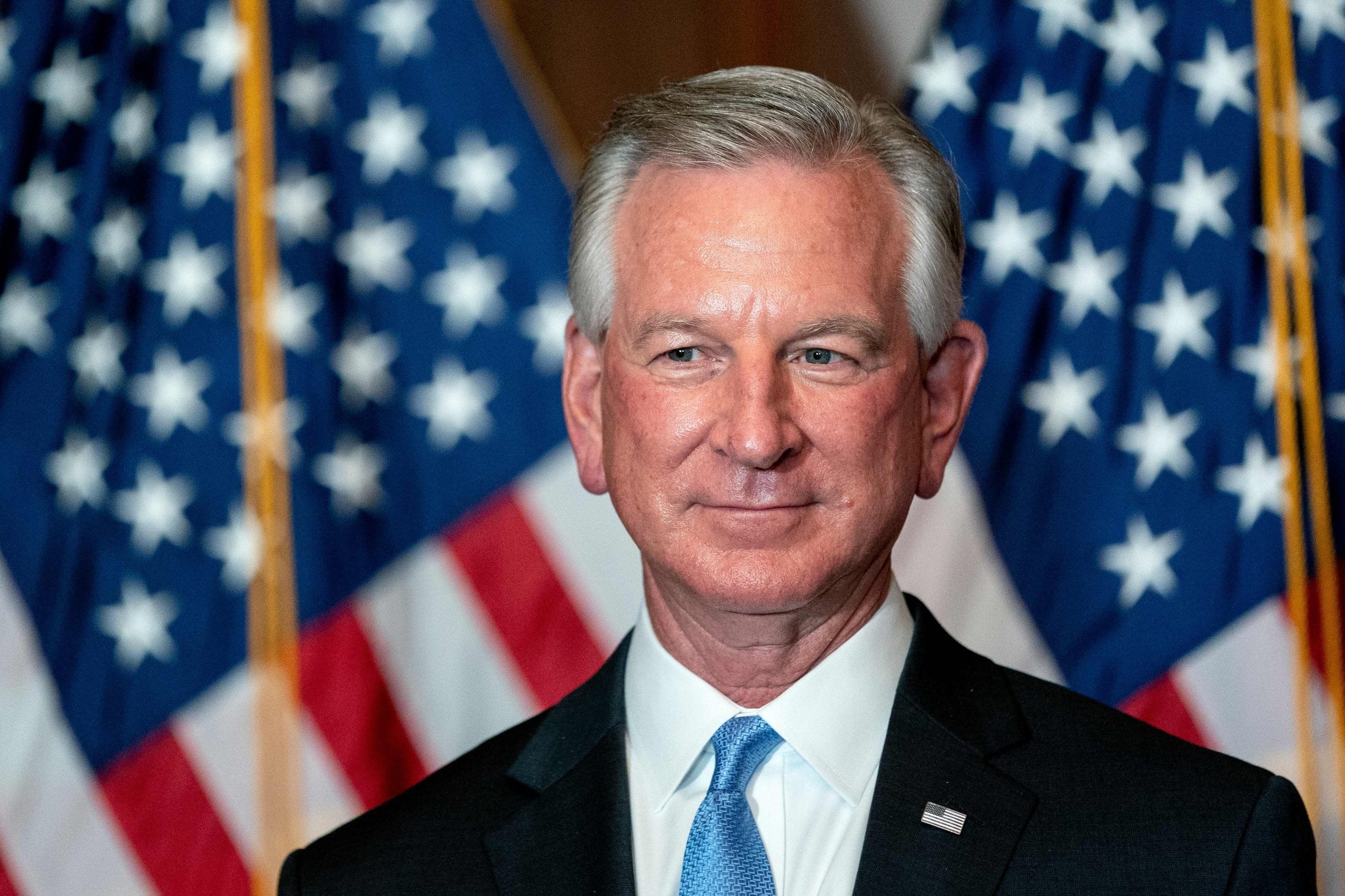
Tommy Tuberville, a Republican senator from Alabama, has made headlines for his seemingly fundamental misunderstandings of constitutional duties. These missteps raise questions about his grasp of the significant responsibilities associated with his role. His background as a football coach has perhaps not prepared him for the intricacies of legislative governance. Upon entering the Senate, Tuberville’s actions indicated a lack of awareness that persists as he engages in bizarre rhetoric regarding the Constitution and his obligations.
A Troubling Start
Upon his arrival in the Senate, Tuberville’s first votes were against certifying the results of the 2020 presidential election. This contentious stance reflects a broader trend within the Republican Party but reveals a lack of commitment to uphold democratic processes. Just two months later, in another revealing moment, Tuberville proclaimed that the federal government consists of the House, the Senate, and the White House, clearly omitting the judiciary. This statement calls into question his understanding of the three branches of government as outlined in the U.S. Constitution.
The situation becomes more alarming when he expresses support for government-imposed religious lessons, which run counter to the First Amendment of the Constitution. Such statements demonstrate an alarming disregard for the foundational principles of the government he serves. A constitutional scholar he is not.
Recent Comments Raise Eyebrows
Recently, Tuberville has continued to stoke confusion, asserting during a CNN interview that the Senate need not complete vetting processes for cabinet nominations because Donald Trump had previously conducted an excellent job. This unfounded assertion implies that Senate responsibilities—particularly the vital “advice and consent” role outlined in Article II, Section II of the Constitution—can be completely bypassed. The implications of such comments suggest a troubling willingness to ignore established governmental principles for political convenience.
When challenged by CNN’s Manu Raju about the Senate’s responsibility, Tuberville unsettlingly redirected the conversation, claiming that vetting is “more the Democrats’ job.” This flippant dismissal of his duties reflects a dangerous trend among certain lawmakers who fail to grasp the essential checks and balances specified in the Constitution.
The Cracks in Tuberville’s Logic
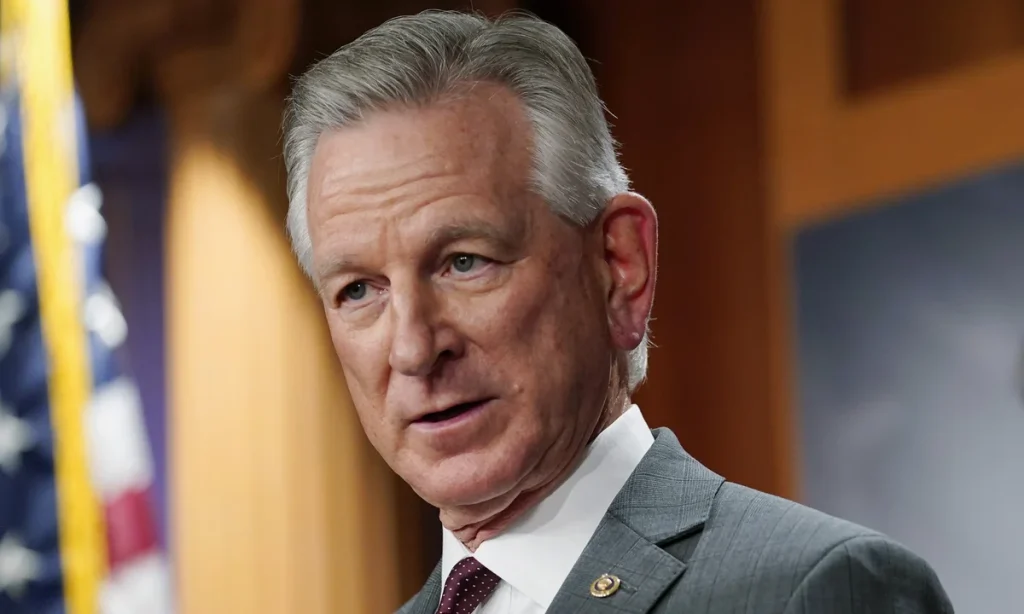
Further complicating matters, Tuberville criticized fellow Republican senators for believing they were better equipped to vet candidates than Trump. This odd statement comes despite Trump’s own admissions about insufficient vetting for certain appointees. Statements like these invite critical examination of Tuberville’s sincerity regarding his commitments to his role in the Senate.
Throughout the past months, Tuberville has made numerous outlandish comments regarding Trump’s Cabinet, including suggesting that President-elect Trump and Vice President-elect JD Vance will “run the Senate.” Such fallacies highlight a fundamental misunderstanding of the separation of powers, as articulated in the Constitution.
Implications of Ignoring Constitutional Duties
The consequences of ignoring these foundational responsibilities are significant. If senators prioritize loyalty to Trump over their constitutional obligations, it risks undermining the very principles of democracy and governance. Tuberville’s cavalier attitude towards vetting candidates is particularly alarming in light of controversial nominees such as Pete Hegseth, who has faced numerous allegations of misconduct. To think that senators could rubber-stamp nominations without thorough oversight raises concerns about the integrity of appointments to critical government positions.
In fact, Tuberville’s statements beg the question—what role do elected officials play in a democratic society if they relinquish their responsibilities for oversight? His actions suggest a troubling trend toward prioritizing party loyalty over the thoughtful deliberation required in governance.
What’s at Stake?
This situation isn’t just a matter of unnecessary drama; it risks creating dangerous precedents that could lead to unqualified or dangerous individuals occupying pivotal governmental roles. Allowing nominations to pass unchecked invites incompetence, abuse, and violation of civil rights.
The role of the Senate in confirming Presidential appointments is crucial. History shows that regardless of party affiliation, the Senate’s responsibility does not vary. By ignoring these duties, Tuberville and others risk institutionalizing irresponsibility in governance.
Encouraging Accountability
It is essential that lawmakers, especially those in the Senate, understand their responsibilities and act accordingly. Accountability in the confirmation process should remain a non-negotiable aspect of governance. Each senator has a duty to ensure that nominees are qualified and will act in alignment with the responsibilities of their office.
As the nation watches, it remains crucial for vigilant citizens to engage in discussions about the importance of constitutional adherence. Respectful dialogue around current events fosters a more informed electorate, empowered to hold representatives accountable.
Upholding Democracy
Ultimately, democracy thrives on the foundation of informed citizens who actively engage with the political process. When senators like Tuberville flout their constitutional duties, it detracts from the idea of representative governance. Each citizen must grapple with the implications of these actions, recognizing that democracy’s strength lies in the commitments of its elected officials.
In Summary
Tommy Tuberville’s repeated missteps indicate a broader issue that transcends individual accountability. The fundamental misunderstanding of constitutional responsibilities reflects a worrying trend in politics—a dismissal of the rigorous, thoughtful engagement required for effective governance. It is essential for citizens to remain engaged and informed, promoting a political culture that values oversight, accountability, and democratic integrity.
Sources:
- https://newrepublic.com/article/189099/maga-dimwit-tommy-tuberville-blurts-awkward-truth-trump-gop
- https://newrepublic.com/article/189102/transcript-trumps-cabinet-sex-abusers-blowing-face
- https://www.msnbc.com/rachel-maddow-show/maddowblog/gops-tuberville-flunks-yet-another-simple-constitutional-test-rcna183161
- https://newrepublic.com/post/189084/tommy-tuberville-donald-trump-vetting-nominees