In the ever-changing landscape of U.S. politics, the appointment of Sebastian Gorka as deputy assistant to the president and senior director for counter-terrorism has sparked considerable outrage. As Donald Trump resumes his position in office for a second term, this selection stands out as particularly polarizing. Even among a host of controversial figures—TV personalities, alleged sex traffickers, and conspiracy theorists—Gorka’s appointment seems to set new limits on what qualifies as a suitable candidate in Trump’s administration.
Who is Sebastian Gorka?
Born in the United Kingdom to Hungarian parents, Gorka’s background is both compelling and complex. His family fled Hungary during the Soviet era after the failed uprising of 1956, which left a distinct mark on his identity and viewpoints. He became a U.S. citizen in 2012 and has since positioned himself as an influential voice in conservative circles, often labeled as a far-right commentator.
But Gorka’s ideas and actions have led many to question his qualifications and motives. Critics have variously described him as unqualified and dangerous, often pointing to his extreme views on Islam and Muslims. His appointment to the Trump administration has reignited debates over national security policies and counter-terrorism strategies.
The Outrage Over Gorka’s Appointment
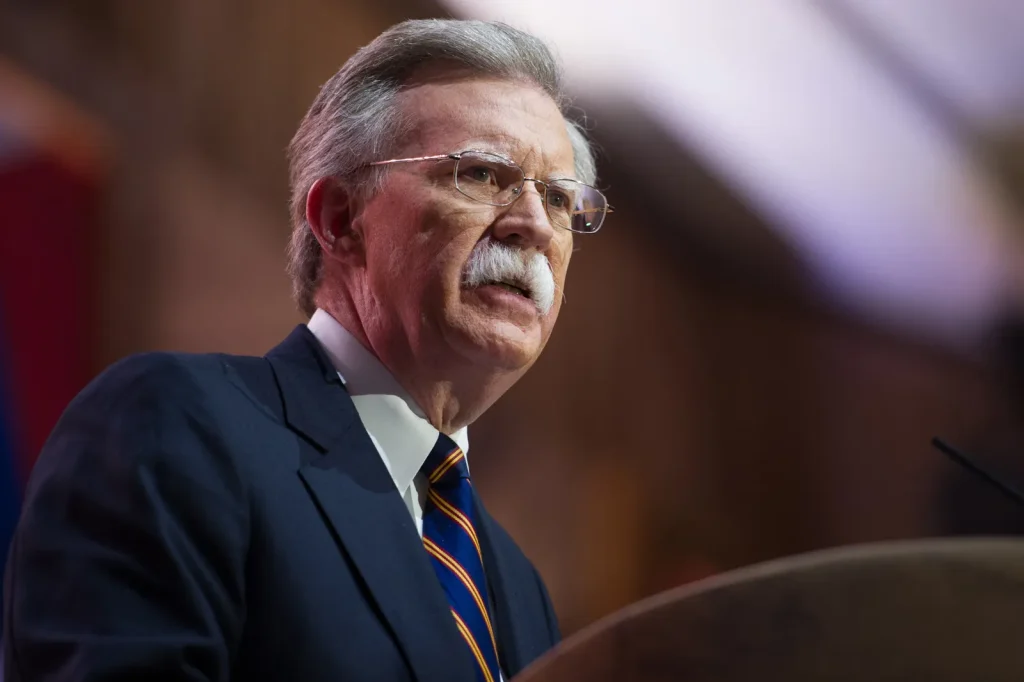
Trump’s nomination of Gorka has immediately drawn ire from various quarters, including former officials in his administration. John Bolton, Trump’s former national security adviser, did not hold back when he condemned Gorka as a “conman,” suggesting that his presence in government could jeopardize counter-terrorism efforts. Similarly, H.R. McMaster, another former national security adviser, highlighted concerns about Gorka’s suitability for the position, foreshadowing a likely rocky start.
Such comments reflect a broader sentiment among many current and former diplomats and security experts. Reports indicated that even Trump’s advisors reacted with horror upon news of Gorka’s selection. They considered him a “clown,” and many felt they would dread working alongside him. The fear surrounding Gorka extends beyond mere personal distaste; it taps into deeper anxieties about national security in an increasingly complicated global landscape.
Gorka’s Controversial Statements
One of Gorka’s most alarming allegations is that he has implied up to 98 percent of terrorists in the United States are Muslim. He has an established record of inflammatory statements, often labeling Muslims as both dangerous and opposed to American values. His positions not only alienate a significant portion of the U.S. population but also portray a deeply troubling narrative about national security. In a world where understanding and dialogue are crucial, Gorka seems to advocate for division rather than solidarity.
Former CIA analyst Cindy Storer has repeatedly criticized Gorka, stating that he believes intelligence agencies lack understanding of radicalization. This dismissal of established intelligence could have serious repercussions, especially as the U.S. navigates foreign and domestic threats. The background of such statements adds further doubt to Gorka’s credibility and effectiveness in a sensitive role like counter-terrorism.
Criticism from All Sides
Critical voices have emerged not just from the political left but also from within Trump’s own orbit. Michael Anton, a conservative who served in Trump’s first administration, withdrew his name from consideration for a deputy national security position. This act of protest underscores a significant fissure among Trump’s supporters regarding Gorka’s capabilities and ideologies. Such divisions are unusual in a party that has often rallied around controversial figures.
Further complicating Gorka’s situation are past incidents that reflect poorly on his reputation. During his previous tenure in the Trump administration, Gorka only lasted a mere seven months, during which he faced substantial criticism for his inability to secure necessary security clearances. His departure was controversial and came amid significant turmoil within the White House.
Gorka’s Former Role and Public Perception
Despite his short-lived stint in a previous administration, Gorka continued to find platforms to amplify his views. He contributed to media outlets such as Fox News and Newsmax, where he often espoused his views on national security. His commentary frequently echoed controversial narratives that many see as harmful rather than helpful.
Public perceptions of Gorka are not merely negative; they are also informed by distinctive events. Notably, his flamboyant behavior during Trump’s inauguration, including wearing a military tunic and a controversial medal, drew ridicule, drawing attention to his inflated self-image and controversial alliances.
Gorka’s Views on Foreign Policy
Gorka’s foreign policy positions have raised eyebrows, particularly regarding Israel and Palestine. His assertion that “there is no such thing as Palestine” and his inflammatory remarks during conflicts involving Hamas illustrate a complete dismissal of complex historical contexts. Critics have condemned these statements, arguing they incentivize violence rather than diplomacy.
His extreme views extend beyond Palestine and into general beliefs about terrorism. Gorka has often framed Islam as inherently violent, asserting that violent extremism can be traced back to ideological tenets within the religion. This perspective reduces a complex issue to overly simplistic terms and contributes to the stigmatization of millions.
Reactions from Across the Political Spectrum
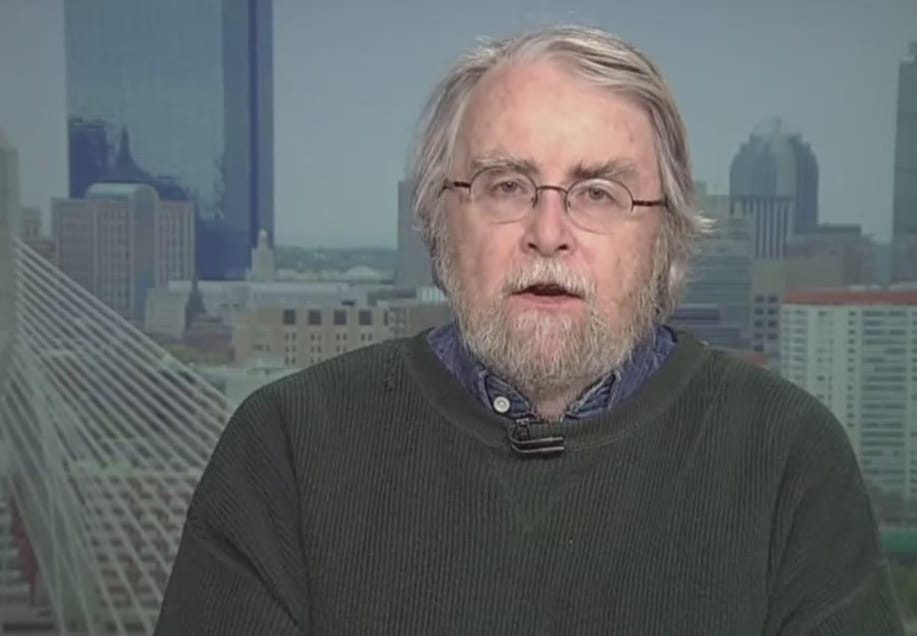
Following Gorka’s appointment, reactions flowed in from various political factions. Charles P. Pierce, a columnist for Esquire, highlighted Gorka’s selection as the “most ridiculous” in an era marked by outlandish choices. His commentary reflects a broader consensus that Gorka’s demands for attention seem to stem from a need to demonize rather than understand.
At the same time, Alex Floyd from the Democratic National Committee branded Gorka a “far-right extremist.” This description underscores a belief that Gorka represents a significant danger to the nuanced and inclusive dialogue necessary for effective government functioning.
Gorka’s Influence on Current Policies
With Gorka now holding a key role, questions arise about the direction of national policies. His influence could reshape the narrative about terrorism and affect the treatment of Muslim communities domestically and internationally. The potential repercussions of Gorka’s approach could lead to a deterioration of trust between agencies and communities, complicating efforts to foster national security.
Looking Ahead: The Future of Counter-Terrorism
As the Trump administration embarks on its second term, Gorka’s presence raises significant questions about the broader future of counter-terrorism strategies. His past suggests a return to controversial and aggressive policies, potentially at odds with established intelligence practices aimed at understanding radicalization.
Conclusion: A Contentious Path Forward
In summary, Sebastian Gorka’s controversial commentary and views raise substantial concerns as he takes on a pivotal role in Trump’s administration. Critics, former officials, and even some allies continue to voice alarm over his qualifications and the potential implications of his ideology on counter-terrorism policies. As the second term unfolds, the effect of Gorka’s influence on U.S. national security and global relations remains to be seen, but initial reactions indicate a deeply contentious path ahead.
Sources: