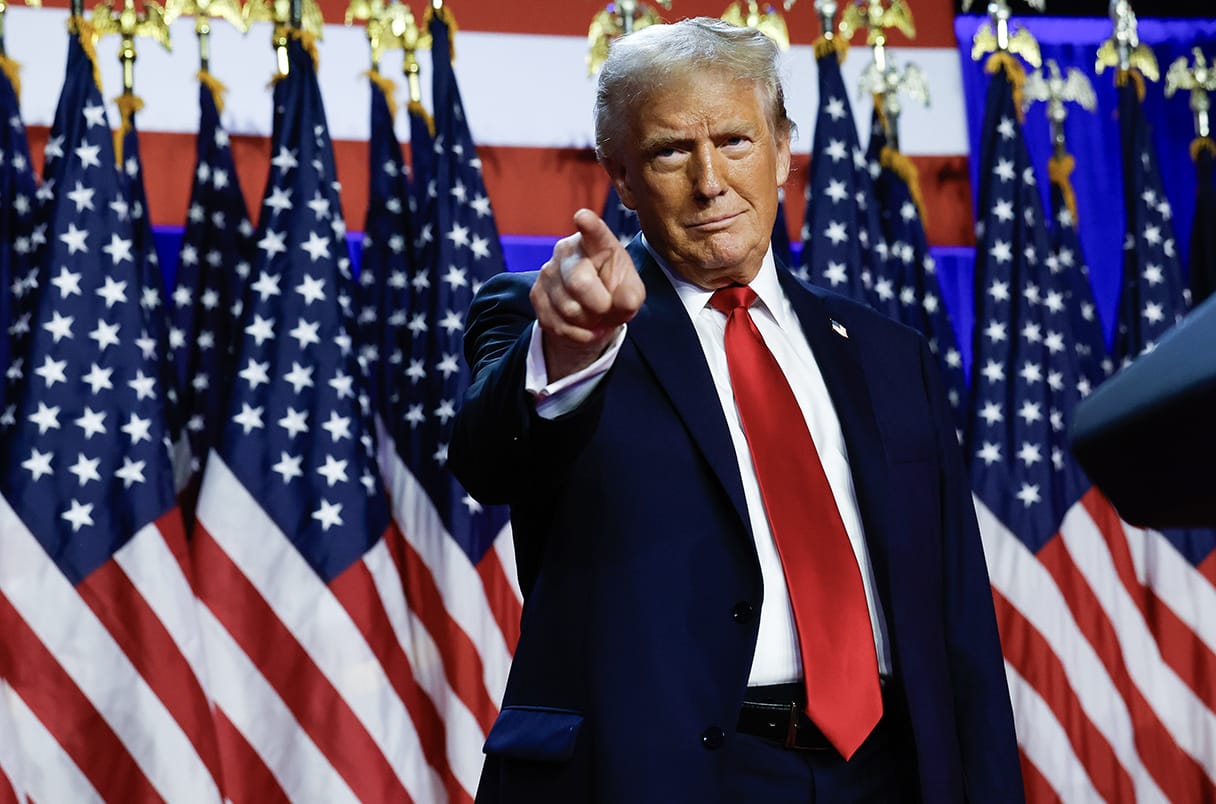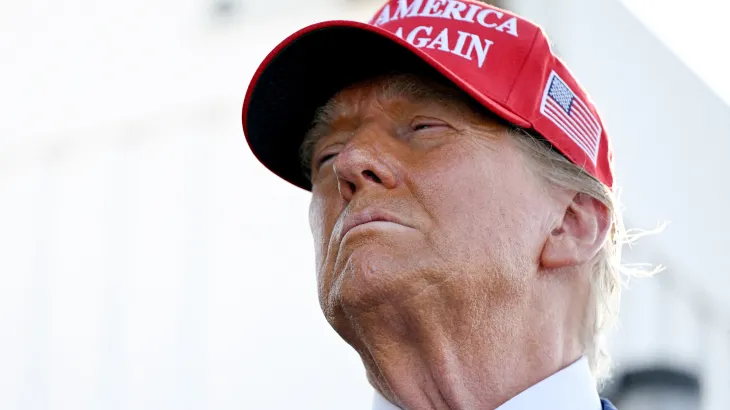
As President-elect Donalt Trump prepares to return to the Oval Office in January, he has made headlines with bold promises during recent interviews. Among these, his intention to end birthright citizenship and consider pardoning participants in the 2021 Capitol riot stand out. These actions reflect his ongoing commitment to reshape the American immigration landscape and address his supporters’ concerns while igniting heated discussions.
Trump’s Vision for Immigration Reform
The recent comments made by President-elect Trump highlight a significant shift in immigration policy. He stated, “We have to get it changed,” regarding birthright citizenship, which is currently protected by the 14th Amendment. This amendment grants citizenship to all persons born in the United States, regardless of their parents’ citizenship status. Trump’s statement that “we’re the only country that has it” is misleading, as over 30 countries, including Canada and Brazil, uphold similar policies. Trump’s proposed changes could have far-reaching implications, not only for families but for the fabric of American society itself.
In his NBC interview, Trump elaborated on his approach to immigration, emphasizing the need to deport individuals found to be in the country illegally. When discussing families with mixed immigration status, he said, “The only way you don’t break up the family is you keep them together and you have to send them all back.” This statement demonstrates a tough stance on immigration and foreshadows potential challenges families could face under his administration.
Emphasis on Pardoning Capitol Rioters

In a significant move, Trump announced in his interview that he aims to review the convictions of those involved in the Capitol riot from January 6, 2021. He expressed compassion for those charged, stating, “These people are living in hell,” and recognized the emotional impact these events have had on his supporters. Trump intends to use his first day in office to consider pardons for these individuals, signaling a commitment to undo what he views as an injustice.
This promise, combined with Trump’s assertion that he won’t pursue investigations into his political adversaries—including President Biden—highlights his strategy to galvanize his base. By portraying himself as a champion of the downtrodden, he seeks to consolidate support from those disillusioned by the current administration’s handling of the Capitol riot aftermath.
Balancing Immigration Policies
While Trump aims to pursue a stringent immigration policy, he also recognized the need for compassion regarding undocumented immigrants brought to the U.S. as children, often referred to as Dreamers. He stated that he is open to working with Democrats to find a solution for this group. Saying, “I will work with the Democrats on a plan,” Trump shows a willingness to engage in bipartisan efforts for Dreamers while maintaining a tougher stance on broader immigration policies.
Mixed Signals on Retribution
Throughout his interview, Trump oscillated between focusing on retribution against his political opponents and advocating for a forward-looking agenda. While he indicated he is “not looking to go back into the past,” he added that certain political figures involved in the Capitol riot investigations “should go to jail.” This stance suggests a plan to tackle what he perceives as injustices towards him while also attempting to pivot his narrative toward future successes.
Former Republican congresswoman Liz Cheney voiced her discontent with Trump’s comments, referring to them as “a continuation of his assault on the rule of law.” This critique highlights potential conflicts he may face as he moves forward with his agenda.
Implications of Ending Birthright Citizenship

Ending birthright citizenship will require constitutional changes, as it is currently enshrined in the 14th Amendment. Trump’s assertion that amendments might be necessary suggests a challenging road ahead. This leap into legislative action could invite legal challenges and public debate, potentially dividing lawmakers even further.
Trump’s administration will need to navigate the complexities of changing such a foundational aspect of U.S. law. As the nation grapples with the ramifications of such changes, socio-political dynamics could shift dramatically.
The Path Ahead
Trump’s plans extend to significant executive actions across several domains. He promised “a lot” of executive orders addressing immigration, energy, and economic issues. These ambitious initiatives may reignite discussions around his previous policies while sculpting his legacy in office.
Senator-elect Bernie Moreno emphasized the urgency of immigration reform from Trump’s perspective, stating, “We’re going to resolve immigration in the first 40 to 60 days.” This proactive approach advocates a rapid response to issues that have defined Trump’s political identity and rallies the GOP around urgent calls for action.
Conclusion
President-elect Trump’s plans surrounding immigration reform and potential pardons constitute significant shifts from previous policies. As he prepares to take office, the implications of ending birthright citizenship and pardoning Capitol rioters will likely stir an array of reactions across the political spectrum. As discussions unfold, a blend of support and criticism will shape the national dialogue surrounding these contentious issues. Ultimately, Trump’s bold moves could redefine his presidency while adhering to the principles that have long motivated his supporters.
Sources: