Kash Patel has emerged as a highly controversial figure in American politics as Donald Trump’s pick for the role of FBI Director. This choice raises questions not only about Patel’s qualifications but also about the future direction of the FBI under his potential leadership. With deep-rooted skepticism of the federal government and strong ties to Trump, Patel has vowed to overhaul the organization he wishes to lead.
A Known Critic of the FBI
Kash Patel first gained significant attention for his vocal criticism of the FBI, particularly regarding its investigation into Russian interference in the 2016 presidential election. As a staffer on the House Permanent Select Committee on Intelligence, he played a pivotal role in drafting the infamous “Nunes Memo.” This document claimed errors in the FBI’s surveillance operations against Trump’s campaign aides. His involvement with this memo not only contributed to his rise within Trump’s inner circle but also further solidified his reputation as a staunch ally of the former president.
In numerous interviews, Patel has publicly denounced the FBI and other federal agencies, labeling them as part of the so-called “deep state.” This term often refers to those in government and media whom Trump and his supporters believe obstruct progress. Patel’s fierce criticism, especially regarding the FBI’s behavior during investigations that impacted Trump, makes his nomination to lead the agency all the more striking.
Background and Experience
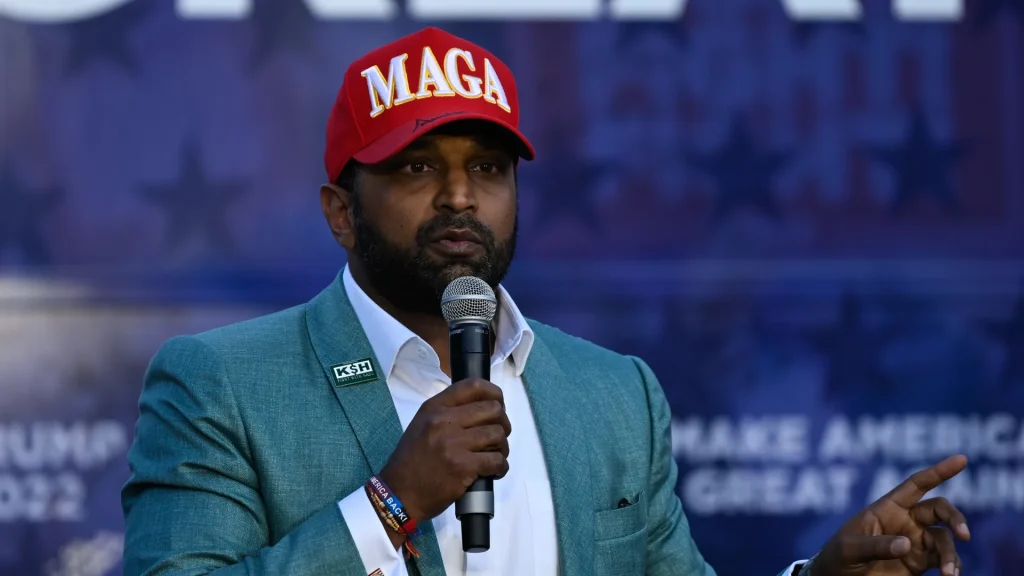
Kash Patel has a diverse professional background, beginning his career as a public defender in Florida after graduating from law school. Later, he transitioned to a role as a federal prosecutor in the National Security Division of the Department of Justice (DOJ). While he has claimed significant achievements, including leading cases against terrorism suspects, reports indicate that some of these claims may be exaggerated.
Patel notably served as chief of staff to acting Secretary of Defense Christopher Miller shortly before the end of Trump’s presidency. His tenure in this position involved handling defense operations and overseeing transitions, but also placed him within the context of controversy, particularly regarding the January 6 Capitol riots.
A Disconnect with Democratic Norms
From the moment his nomination was announced, many senators, particularly from the Democratic party, expressed skepticism about Patel’s capabilities. Senator Dick Durbin described him as an “unqualified loyalist,” while other members voiced concerns about his potential impact on the foundational independence of the FBI. Such criticisms reflect fears that Patel’s leadership would further entwine law enforcement with partisan politics, undermining its credibility.
In reviewing Patel’s public statements, one can identify consistent themes. For example, during a podcast interview, he declared that he would dismantle the FBI’s headquarters in Washington, D.C., and restructure the agency’s mission to eliminate perceived biases against conservatives. His statements represent a grand vision that seeks radical change within one of the most critical federal institutions.
The Challenges Ahead
For Patel to ascend to the role of FBI Director, he will need Senate confirmation. This process could prove to be contentious, given both his history and the current political climate. Commentators have noted that the intense scrutiny will not only focus on his qualifications but also on the implications for democratic norms and the separation of powers.
Some political analysts remark that appointing Patel could be a move by Trump to stack the FBI with loyalists. If Patel is confirmed, his leadership style and policy decisions could intensify partisan tensions and result in long-lasting changes to the FBI’s operational focus. Critics argue this may lead to the agency becoming an instrument of political retaliation rather than a neutral law enforcement body.
The Ideological Standoff
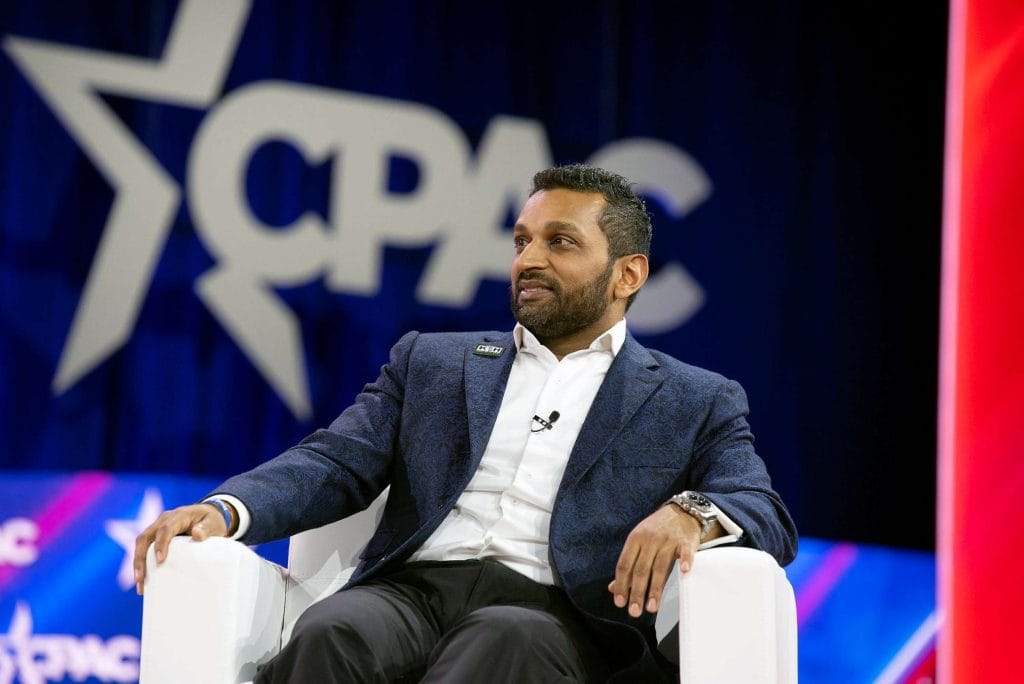
Patel’s ideological position fits snugly within a broader shift in American politics that has blurred the lines between governance and allegiance. His openness about pursuing investigations against media figures, who he accuses of colluding with the “deep state,” raises significant concerns about civil liberties and the role of the press. Such ambitions could jeopardize the principles of a free democratic society.
Moreover, Patel has expressed a determination to root out what he perceives as corruption within the FBI and among political adversaries. His declaration that the agency should hold those in the media accountable has sparked fears among journalists and civil liberties advocates concerning the potential chilling effects on free speech.
Patel’s Public Persona
In addition to his government roles, Patel has made a name for himself through various media channels, appearing on right-leaning podcasts and shows that amplify his ideologies. This media presence furthers his reputation among Trump supporters as a fervent defender of the former president, yet it also casts suspicion among critics who see him as a self-promoter rather than a seasoned public servant.
Over the years, Patel has gained a notable following, even authoring books like “Government Gangsters,” which critiques the organizational structures of the federal government. Additionally, he has created children’s books that aim to influence young readers’ perceptions of political figures, reflecting a penchant for simplifying complex political narratives into digestible stories.
The Road Ahead
As Kash Patel prepares for what could be a contentious confirmation process, the consequences of his potential appointment to the FBI loom large over the political landscape. His nomination provides insight into the current administration’s intentions regarding law enforcement’s alignment with political ideologies. Observers emphasize the necessity of public engagement in the discussions surrounding this pivotal appointment.
If confirmed, Patel would face immediate challenges, not just in terms of agency management but also in restoring public trust in a Bureau that has faced scrutiny for its perceived politicization. The implications of his selection extend far beyond his own credentials and into the heart of America’s democratic processes.
Conclusion
Kash Patel’s nomination as FBI Director encapsulates the ongoing tensions within American political life. As he prepares to navigate the rocky waters of Senate confirmation, he stands as a symbol of the highs and lows of partisanship in governance. The questions of loyalty, ethics, and the politicization of law enforcement institutions hang heavily in the balance as Patel takes center stage in this unfolding drama.
Sources: