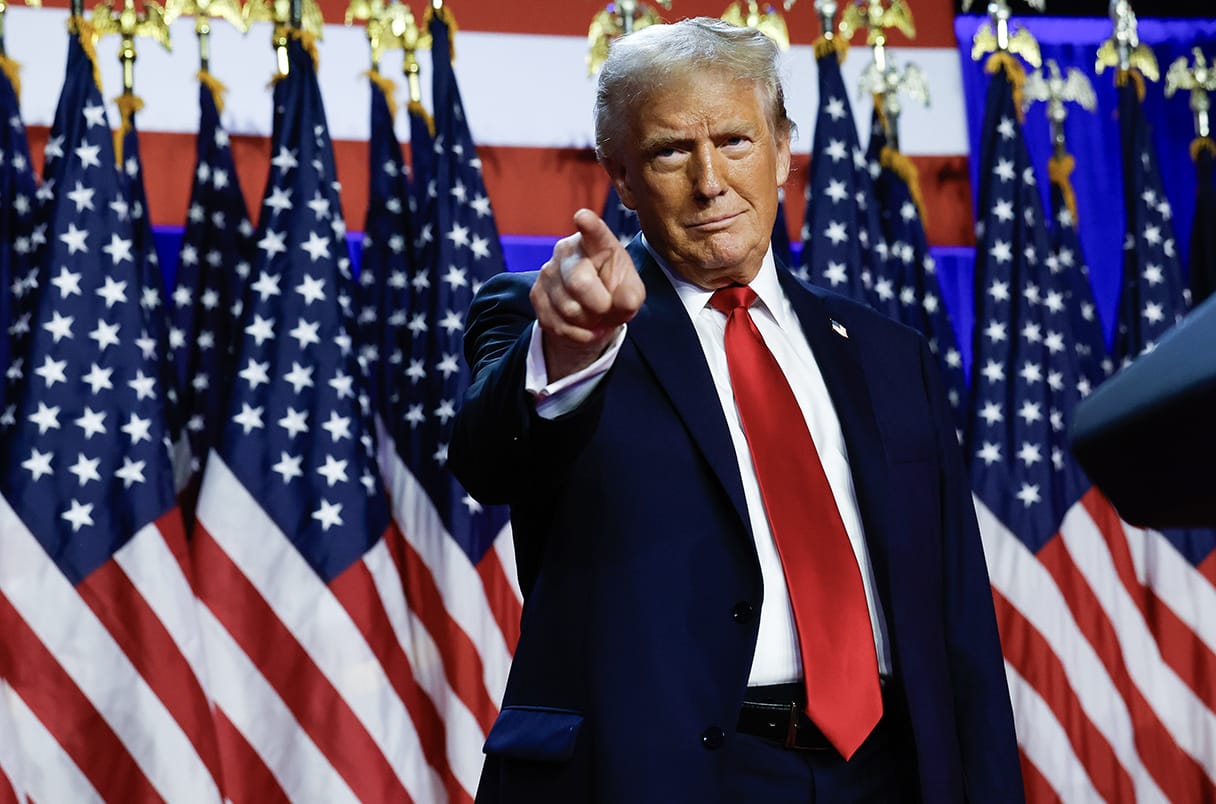
President-elect Donald Trump has made headlines once again. His latest announcement involves a 25% tariff on all products coming from Mexico and Canada. This vow comes as part of a broader strategy to address illegal immigration and drugs. Trump’s strong statements on his social media platform, Truth Social, underline his motive. “As everyone is aware, thousands of people are pouring through Mexico and Canada, bringing Crime and Drugs at levels never seen before,” he declared. As Trump prepares to take office, the implications of his tariff plans will ripple through various facets of American society.
The Details of the Tariff Proposal
Trump promised that on January 20, he would sign an executive order to implement the 25% tariff. “This Tariff will remain in effect until such time as Drugs, in particular Fentanyl, and all Illegal Aliens stop this Invasion of our Country!” he continued. Furthermore, he also plans to enact a 10% tariff on Chinese products in an effort to combat drug trafficking.
Trump’s outspoken stance emphasizes a hardline approach to what he perceives as pressing threats to the United States. He believes that Mexico and Canada can “easily solve this long simmering problem.” However, such bold declarations have sparked considerable debate about their actual effectiveness.
Economic Ramifications of Tariff Implementation
While Trump aims to protect American citizens, many economists express concern about the economic ramifications of these tariff plans. Imposing a significant tariff will likely increase the price of imported goods. Tariffs serve as a tax on merchandise coming into the United States. Importers pay these taxes, but they often pass the increased costs onto American consumers. This means everyday items could become more expensive for American families.
Trump’s administration previously enacted tariffs totaling billions on Chinese goods. This action did not yield the immediate benefits he claimed. Inflation and Interest Rates could spike as a result of his recent proposals. Experts warn that tariffs could be a double-edged sword, resulting in decreased consumer spending and overall economic slowdown.
The Potential for Trade Wars

Critics argue that Trump’s new tariffs may ignite retaliatory actions from Canada, Mexico, and China. These countries, major trade partners of the U.S., may respond with their tariffs on American goods. Historically, retaliatory tariffs often lead to trade wars. Such trade wars can stifle exports and diminish domestic manufacturing prowess. This profound national battle could take a toll on American jobs and overall economic health.
Moreover, many believe the U.S.-Mexico-Canada Agreement (USMCA)—which replaced NAFTA—protects many imports from tariffs. Trump’s tariff plans present a complicated dance with existing trade agreements. Enforcement without violations remains ambiguous, leading to further uncertainty in international markets.
Trump’s Justification: Crime and Drugs
Central to Trump’s argument is the link between illegal immigration and crime. He asserts, “This Tariff will remain in effect until such time as Drugs, in particular Fentanyl, and all Illegal Aliens stop this Invasion of our Country!” His use of charged rhetoric plays into the collective concern surrounding drug trafficking. However, while drug-related fears are valid, they remain complex issues requiring multifaceted solutions.
Insights from Economic Experts
Karl Schamotta, chief market strategist at Corpay Cross-Border Solutions, warns, “The measures proposed this evening could hit a number of strategic US industrial sectors hard.” Estimates suggest that proposed tariffs may add around $272 billion to yearly tax burdens, potentially causing significant harm.
Many economists predict that these tariffs will only exacerbate inflation, growing the cost of living in the United States. A recent report implies that Trump’s proposed tariffs might cost the typical American household over $2,600 annually. High prices could dampen consumer spending, impacting small businesses and everyday economic interactions.
The Response from Affected Countries
International reactions have varied to Trump’s tariff plans. For instance, a spokesperson from China’s Embassy in the U.S. stated that “no one” would win a trade war. They emphasized the positive aspects of bilateral trade cooperation and questioned the effectiveness of the proposed tariffs.
In contrast, Canadian leaders expressed strong disapproval. Former Canadian environment minister Catherine McKenna commented, “The amount of time and energy our government had to spend on Trump last time was bonkers.” This sentiment captures a growing frustration among American trading partners.
The Political Landscape

Trump’s assertions present a potential political boon for him while also cracking the fragile frames of international diplomacy. His approach may galvanize his base, who view his actions as protective of American interests. On the other hand, many moderate voters may view his actions as reckless. By framing the impending tariffs as an urgent national necessity, Trump may bolster support among his constituents. However, the long-term effects of his policies remain uncertain.
Historical Context: Previous Tariffs and Trade Deals
During Trump’s first term, he escalated trade tensions with China by implementing a slew of tariffs. This strategy aimed to compel China to open its markets and protect U.S. intellectual property. However, trade deals expected during the pandemic fell apart. The economic landscape is influenced heavily by these earlier actions.
Trump has promised to significantly raise tariffs during his second term and has suggested potential rates up to 60% for Chinese goods. It appears that his aggressive trade policy will only continue as he takes office once again.
Future Implications and What Comes Next
As the January inauguration date approaches, the potential for economic upheaval looms large. Trump’s tariff plans create uncertainty for businesses and consumers alike. The possibility of a trade war could stifle the economy. Industries reliant on imports might struggle to adapt swiftly to higher costs.
In conclusion, President-elect Trump’s commitment to a 25% tariff on imports from Mexico and Canada, along with additional taxes on China, represents a significant shift in American trade policy. Whether his approach resolves complex issues or exacerbates economic concerns remains to be seen. The Trump tariff plans pose both opportunity and risk as the new administration prepares to begin.
Sources:
- https://www.usatoday.com/story/news/politics/elections/2024/11/25/trump-tariff-canada-mexico/76576835007/
- https://www.aljazeera.com/economy/2024/11/26/trump-promises-25-tariff-on-mexico-and-canada-extra-10-tariff-on-china
- https://www.cnn.com/2024/11/25/politics/trump-tariffs-mexico-canada-china/index.html