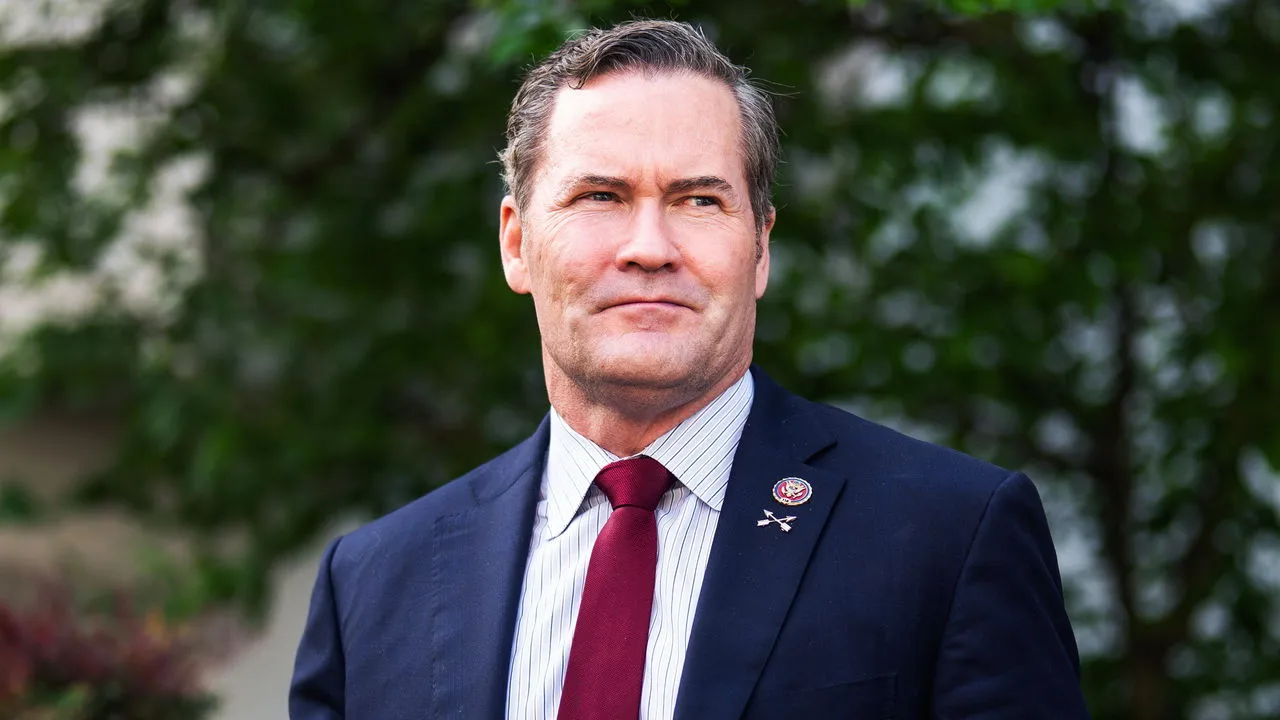
As the dust settles from the recent elections, a significant shift is underway within the House of Representatives. Representative Mike Waltz (R-Fla.) has announced he will resign from Congress on January 20, coinciding with President-elect Donald Trump’s inauguration. This pivotal moment emphasizes the growing influence of Trump in shaping his administration and the future of Florida’s political landscape.
Waltz’s Resignation: A Strategic Move
Waltz’s decision to step down and accept the role of national security adviser underscores a broader trend where key Republican figures are aligning themselves with Trump’s agenda. According to sources familiar with the matter, Waltz’s resignation was confirmed by The Hill, indicating that the new administration’s priorities will significantly impact legislative dynamics starting January 20.
This strategic shift could have dramatic implications for House Republicans, who will already be navigating a razor-thin majority. Waltz’s departure will mean that the GOP will temporarily lose two of its members until April 1, when special elections will be held to fill both his seat and the one vacated by former Representative Matt Gaetz.
The Timing of Resignation and Its Importance
Interestingly, Waltz will remain in Congress long enough to participate in key votes, including the election of the House Speaker on January 3. His presence during this important event highlights the complexities that will characterize the GOP’s maneuvering in the coming months. This is especially critical given their slim margins in the House, which are projected to be around 220 seats for Republicans against 213 for Democrats.
Waltz’s resignation adds to a whirlwind of activity among Florida Republicans, compelling them to adapt rapidly to these evolving political winds. In this context, it becomes clear just how significant Waltz’s new role as national security adviser is for both him personally and for the Republican Party at large.
Implications for House Republicans

The House Republicans, already bracing for a challenging term ahead, will find themselves contending with the loss of these two key seats. The GOP majority is poised to shrink, potentially placing them in a precarious position should any additional vacancies arise. As Cora S. might argue, this situation emphasizes the importance of balanced representation and the necessity for Republicans to articulate their agenda clearly during this transition.
Furthermore, with the recent election results indicating a fiercely competitive political landscape, Republican leaders will need to galvanize their base to ensure that the upcoming special elections yield favorable outcomes. The sequencing of elections—where the primary is set for January 28 and the general election on April 1—presents both opportunities and challenges for the party.
Trump’s Continued Political Clout
Beyond Waltz’s resignation, Trump’s influence on Florida’s political landscape is undeniable. The president-elect has been actively endorsing candidates from his home state to fill positions within both the Cabinet and Congress. Notably, Representative Elise Stefanik (R-N.Y.) has been appointed as ambassador to the U.N., while Lori Chavez-DeRemer (R-Ore.) is set to take on the role of Labor secretary.
Waltz’s new position does not require Senate confirmation, enabling him to assume his duties immediately upon Trump’s inauguration. This seamless transition illustrates Trump’s strategic foresight, as he fills critical positions with loyal supporters early in his term.
Shaping Florida’s Congressional Future
Trump’s influence does not stop at selections for his administration. The seasonal endorsements he has made for potential congressional candidates like Florida Chief Financial Officer Jimmy Patronis and state Senator Randy Fine indicate his intention to mold Florida’s congressional delegation in his image.
Clearly Mom wasted no time once she made it upstairs.
— Senator Randy Fine (@VoteRandyFine) November 23, 2024
Mr. President, G-d saved you on that day in Butler so that you could save the world. It would be the honor of my life to be one of your footsoldiers. Your confidence is overwhelming and I will have news to share soon! pic.twitter.com/Zt9Tj3rF6e
By backing these figures before they officially announce their candidacies, Trump has effectively created a sense of urgency within the party. His endorsement acts as a “golden ticket” for candidates seeking election in Florida’s deep-red districts, further solidifying his control over Republican primary outcomes.
The Chessboard of Florida Politics
The dynamic shifts in Florida’s political chessboard also have implications for Governor Ron DeSantis. Since Trump’s endorsements lend considerable weight, DeSantis will need to navigate this evolving landscape carefully, especially in light of the anticipated appointment of a new senator following Marco Rubio’s expected promotion to Secretary of State.
As various key figures jockey for positions and endorsements, DeSantis’s strategy will undoubtedly influence Republican unity as well as the party’s overall direction heading into the 2026 cycle. Should he align with Trump’s preferences, he may reinforce his standing with MAGA supporters and solidify his role as a leading figure in the party.
Finding Common Ground

State Representative Michelle Salzman provided insightful commentary on the current political environment. “Politics is an ever-changing chessboard,” she remarked, reflecting the necessity for elected officials to prioritize their constituents while navigating shifting allegiances within their party. With more than eight potential candidates seeking Gaetz’s seat, the competition has intensified leading up to the special elections.
As candidates emerge, it is essential that they articulate clear platforms aligned with the needs of their constituents and the broader Republican agenda. Only then can they garner the support necessary to secure their victories in the upcoming races.
Conclusion
Mike Waltz’s resignation marks a significant juncture within the Republican Party and Florida politics as a whole. With President-elect Donald Trump continuing to leverage his influence, the House Republicans face a period of adaptation and potential challenges ahead.
As these changes unfold, there should be an emphasis on the vital importance of informed citizens engaging in respectful dialogue about our democracy. This perspective highlights the responsibility of all political leaders to ensure that they foster transparency, inclusivity, and collaboration, ultimately strengthening the health of our democratic institutions.
The next few months will be crucial for House Republicans as they navigate leadership elections and prepare for the upcoming special elections. With Trump’s enduring presence shaping the political landscape, both existing and new candidates must navigate these waters carefully while keeping the needs of their constituents at the forefront.
Sources:
- https://thehill.com/homenews/house/5008872-waltz-resigns-house-trump-adviser/
- https://timesofindia.indiatimes.com/world/us/mike-waltz-to-resign-for-national-security-role-as-trump-pushes-florida-lawmakers-to-run-for-congress/articleshow/115676778.cms
- https://www.politico.com/news/2024/11/25/trump-kingmaker-florida-house-delegation-00191568
