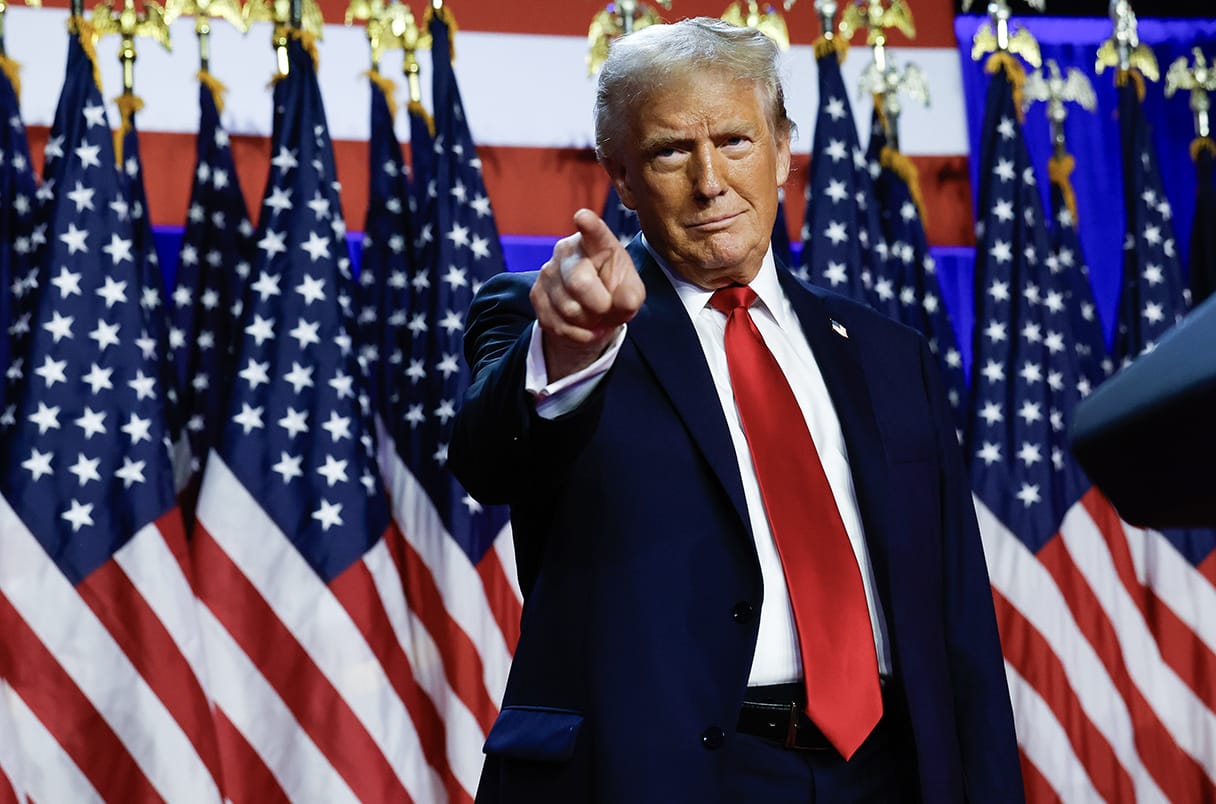
As the political winds shift in the United States, the specter of new tariffs looms large, casting a shadow over the intricate ties that bind America with Mexico and Canada. President-elect Donald Trump’s recent announcement of a staggering 25% tariff on imports from these two nations has drawn immediate and firm responses. Mexican President Claudia Sheinbaum warned that these tariffs could seriously jeopardize jobs and economic stability in both countries.
The Economic Ripple Effects
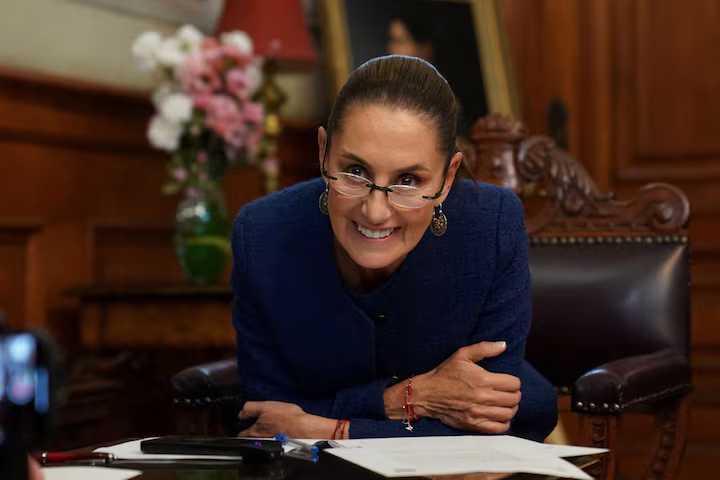
Sheinbaum articulated her concerns in a letter to Trump, emphasized during a press conference. She noted, “To one tariff will follow another in response and so on, until we put our common businesses at risk.” This chain reaction of retaliatory measures could create waves of inflation and steep job losses. Sheinbaum’s remarks shed light on the potential for escalating trade tensions to inflict long-lasting damage on the economies of both neighbors.
The United States and Mexico share a vital trade relationship. As of September, Mexico constituted 15.8% of total U.S. trade, while Canada represented 13.9%. Given these figures, the implications of any tariff policy become even more pronounced. If these new tariffs take effect, they could disrupt countless cross-border industries.
The Automotive Sector at Risk
Automakers are particularly vulnerable to these tariff threats. Mexico plays a crucial role in the U.S. automotive supply chain, accounting for over 35% of manufactured exports by value. With as much as 79% of vehicles manufactured in Mexico destined for the American market, the stakes are high. If tariffs materialize, U.S. car manufacturers like General Motors and Ford could face increased production costs, which would likely trickle down to consumers. The automotive sector not only represents a significant portion of trade but also provides millions of jobs across both nations.
Agricultural Implications
When it comes to food, the stakes are equally dire. Climate change has compromised U.S. farming capabilities, leading to a greater dependence on imported produce, particularly from Mexico. In 2022, the U.S. imported $44.1 billion in agricultural goods from its southern neighbor. The prospect of 25% tariffs could drastically increase the cost of staples. The idea that avocado toast could become a luxury item is not far-fetched if these tariffs take root.
Rising Energy Costs
Energy prices also stand to be affected significantly. The U.S. imports a substantial amount of crude oil from Canada for refining. Patrick De Haan, an analyst at GasBuddy, warns of potential hikes in gas prices between 25 to 75 cents per gallon if tariffs come into play. Given that these price increases would disproportionately affect regions near the Great Lakes and Midwest, the implications for American families could be severe.
Retaliation on the Horizon
In light of Trump’s threats, Sheinbaum’s administration has suggested potential retaliation, further complicating an already fraught relationship. The economy minister, Marcelo Ebrard, echoed the sentiments of Sheinbaum, arguing that “Tariffs are a tax and would hurt both countries.” Ebrard also noted that Mexico has its own plans for punitive measures if the tariffs are implemented. This could signal the beginning of a trade war that would escalate tensions on both sides of the border.
The USMCA: A Shaky Foundation
The potential imposition of tariffs raises questions about the integrity of the United States-Mexico-Canada Agreement (USMCA), a trade deal signed to facilitate smoother trade relations. Tariffs could violate the spirit, if not the letter, of this agreement established during Trump’s first term. The irony is palpable; the very agreements meant to foster cooperation could be undermined by unilateral tariff decisions.
A Call for Collaboration
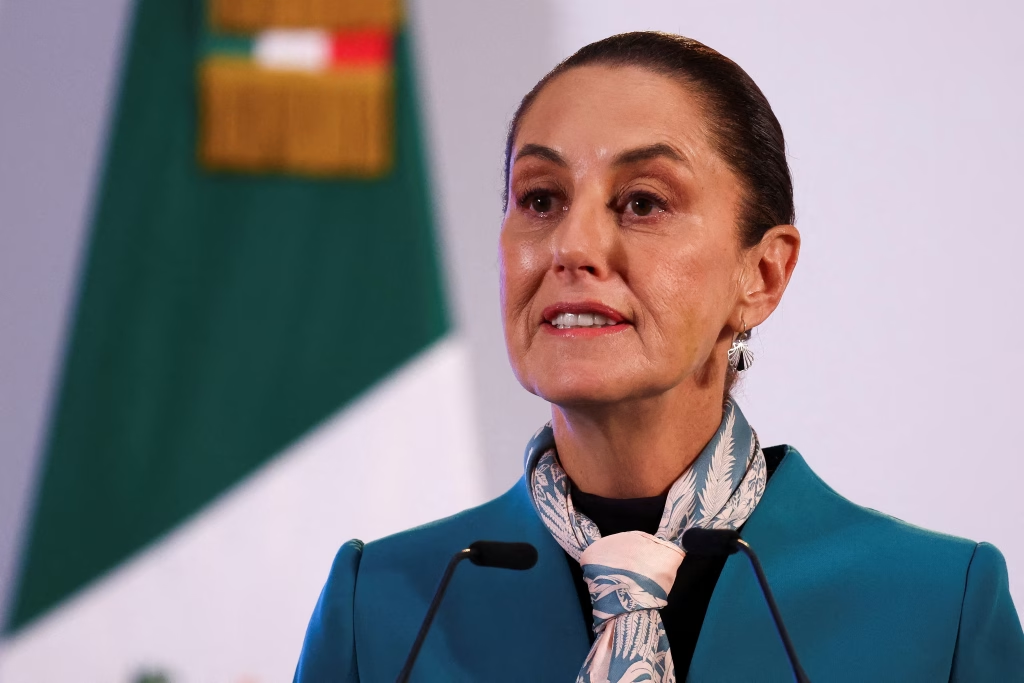
In her press conference, Sheinbaum emphasized the importance of cooperation amidst shared challenges like drug trafficking and migration. “Unfortunately, we have the people who are being killed by crime that is responding to the demand in your country,” she stressed, highlighting the complexity of the issues at hand. In this dialogue lies an opportunity for both nations to work collaboratively to address problems that transcend mere economic transactions.
The Broader Economic Picture
While financial analysts have thrown around terms like “pessimism,” many view Trump’s tariffs as a negotiation tactic more than an inevitable reality. For instance, Giulia Bellicoso from Capital Economics opines, “We expect Trump to start another trade war.” If history serves as a guide, initial threats often morph into negotiations as leaders assess the political repercussions of drastic measures.
A Long-Term Perspective
Reflecting on past tariffs initiated during Trump’s first term, we see clear patterns. Households faced increased prices on everyday goods, from washing machines to groceries. The inevitable conclusion remains: tariffs may seem like a straightforward solution, but their impacts ripple outward into the broader economy, affecting consumers directly.
Conclusion: The Future of Trade Relations
As January 20 approaches and Trump prepares to assume office, the discussions surrounding tariffs will only intensify. Sheinbaum has expressed hope that an agreement can be reached. “We are not only looking to the north but also to the south and to the European continent,” she said confidently, reinforcing Mexico’s desire to maintain strong international relationships.
In closing, the situation underscores a vital truth: informed citizens must engage in respectful dialogue about these issues. Understanding the intricacies of tariffs, trade, and international relations is essential for a thriving democracy. Taking the time to analyze these developments fosters a more informed electorate, ultimately strengthening the democratic process.
Sources: