
In recent days, the political atmosphere has spiraled into an alarming state. President-elect Donald Trump’s cabinet appointees have received bomb threats and experienced a disturbing form of intimidation known as “swatting.” Violence is becoming a concerning trend in political discourse, prompting swift responses from law enforcement agencies across the nation.
A Rising Tide of Political Intimidation
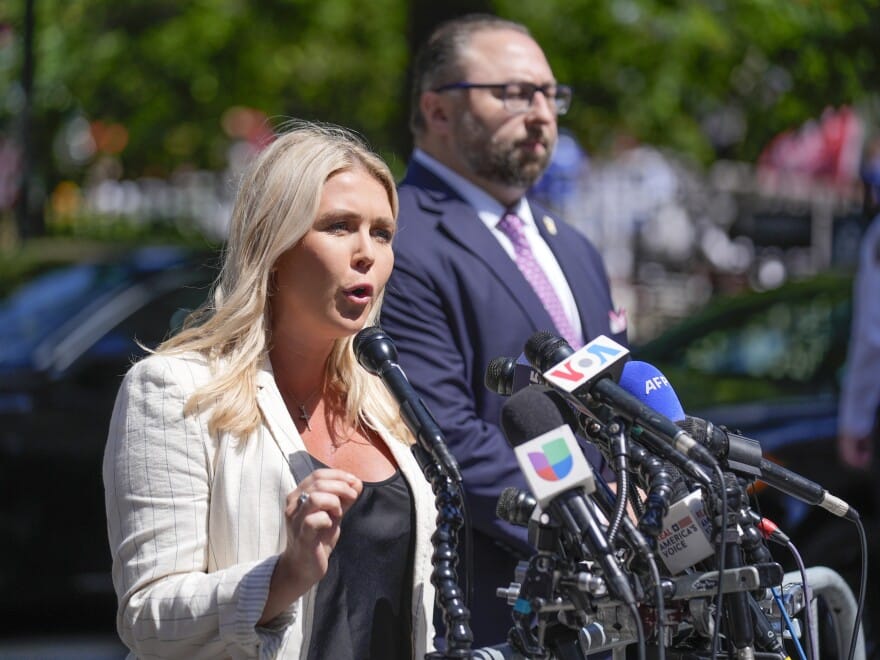
As reported on November 27, 2024, this troubling series of events unfolded over the course of just two days. A spokesperson for Trump, Karoline Leavitt, confirmed that various appointees to Trump’s upcoming administration faced serious threats. “The attacks ranged from bomb threats to ‘swatting,’” she stated emphatically, showcasing the variety and severity of these dangers.
Among those targeted was Elise Stefanik, a representative from New York, whom Trump has chosen to serve as the U.S. ambassador to the United Nations. Stefanik’s family home became the focus of a bomb threat. Working tirelessly with law enforcement, she stated that, “New York State, County law enforcement, and U.S. Capitol Police responded immediately with the highest levels of professionalism.” Fortunately, they found no explosive devices after a thorough search.
Specific Incidents of Threats
Another notable incident involved Lee Zeldin, Trump’s pick for the Environmental Protection Agency. His situation was equally alarming. He reported a pipe bomb threat that bore a “pro-Palestinian themed message.” Thankfully, Zeldin and his family were not at home during this frightening experience. “We are working with law enforcement to learn more as this situation develops,” Zeldin reported. His heartfelt gratitude towards law enforcement for their rapid action emphasizes the seriousness of the situation.
Several other cabinet appointees faced similar threats. Among them were John Ratcliffe, nominated for CIA director, and Pete Hegseth, potentially the Secretary of Defense. The scale of these threats is troubling. Numerous incidents occurred in a very short timeframe, leading to a comprehensive response by federal and local authorities.
The Response from Law Enforcement
The FBI is currently aware of these numerous threats against incoming administration nominees. They are collaborating with various law enforcement partners to address these alarming issues. In a statement, an FBI spokesperson emphasized the seriousness of all potential threats and urged the public to report any suspicious activities promptly.
Local police forces have also acted quickly. They visited the homes of several targeted nominees to ensure safety. Actions taken highlighted law enforcement’s dedication to keeping communities safe. For example, the New York State Police spent time sweeping Stefanik’s home. However, their proactive measures did not uncover any explosive devices, providing a small measure of relief amidst the chaos.
FBI Statement Regarding Threats to Nominees and Appointees https://t.co/PNbmuHjrrlpic.twitter.com/tenOKMeupW
— FBI (@FBI) November 27, 2024
The Impact on Political Discourse
The inherent violence illustrated by these threats cannot be dismissed lightly. Political violence is not new to the United States, but the frequency and severity of these recent threats raise critical concerns. Some commentators have noted the intensifying rhetoric surrounding political figures, emphasizing its role in creating an environment where intimidation thrives.
In a panel discussion, former Joe Manchin adviser spoke about the alarming nature of this political climate. “Our political rhetoric has gotten out of control and violence is peaking now,” they argued. Such sentiments echo through many corners of America as citizens grapple with the implications of emerging threats to their elected representatives.
Fighting Back Against Intimidation
Karoline Leavitt articulated a crucial message when she stated, “With President Trump as our example, dangerous acts of intimidation and violence will not deter us.” This resolute stance serves as a rallying cry for those determined not to succumb to fear.
Transitioning to a new administration comes with its own trials. Yet, appointees remain committed to engaging in meaningful work for the nation. They aim to unite citizens during turbulent times, working towards a safe and prosperous future.
The response from political leaders remains vital to combatting these dangerous threats. As reports surface detailing the incidents, calls for accountability and a significant change in discourse intensify.
Maintaining Democracy Through Dialogue
Despite the dark shadow of political violence, democracy thrives on informed and engaged citizens. Respectful dialogue and critical thinking are foundational to maintaining a healthy democratic society. Her perspective emphasizes that citizens must confront political issues with objectivity and nuance, helping to restore faith in civil discourse.
The ramifications of these threats might extend beyond immediate fear. They serve as a warning about the direction of political discussions in the United States. Increasingly, splitting lines between supporters of different political parties lead to significant divisions in society.
While the motives behind such threats vary, their impact remains clear. Intimidation has a chilling effect on the democratic process. If appointees succumb to fear or withdraw from the public eye, the entire country suffers.
The Importance of Community Engagement
Situations such as these invite citizens to engage in local volunteer work, which plays an important role in fostering a sense of community. It encourages dialogue, respect, and understanding across differing viewpoints.
Those experiencing threats and intimidation at the hands of unknown perpetrators deserve support. Leaders in future administrations must harness community participation and advocate for policies that deter violence. Building a resilient society requires thoughtful contributions from citizens and government alike.
Conclusion: Rising Together Against Threats
America finds itself at a crossroads. Threats against Trump cabinet appointees reflect more than personal fears; they symbolize a broader challenge to democracy and civil discourse. Ensuring that citizens remain engaged, informed, and committed to peaceful dialogue is essential.
Ultimately, through unwavering determination and collaborative efforts, it is possible to overcome the current climate of fear and hostility. By embracing open communication and respect, communities can rise together to reject violence and uphold democratic values.
Let us remember that democracy thrives not just through elections but through ongoing conversations, understanding, and collective resilience against threats.


