In recent political happenings, much attention has swirled around Rep. Elise Stefanik, R-N.Y. President-elect Donald Trump recently nominated her for the role of U.S. ambassador to the United Nations. While this position appears prestigious and prominent, it raises questions and concerns about her future in the MAGA landscape. The complexities of her nomination reveal that her next steps may not be as straightforward as they initially seem.
A Rising Star’s Challenge
Elise Stefanik has rapidly ascended within the Republican Party. Starting her career a mere decade ago, she has established herself as a significant player in the MAGA movement. However, will her nomination to the United Nations curtail her momentum? The United Nations (UN) ambassadorship demands a unique set of skills, often honed through diplomatic experience. Notably, Stefanik’s most recent contributions to foreign policy focus heavily on her staunch defense of Israel amidst conflict, which raises eyebrows about her readiness for the role.
The appointment comes with significant responsibilities, such as dealing with ongoing international challenges, including the war in Ukraine and other pressing global issues. If she accepts the nomination, she will step into a demanding job that might divert her from the spotlight she currently occupies in the House of Representatives.
Context of the Nomination
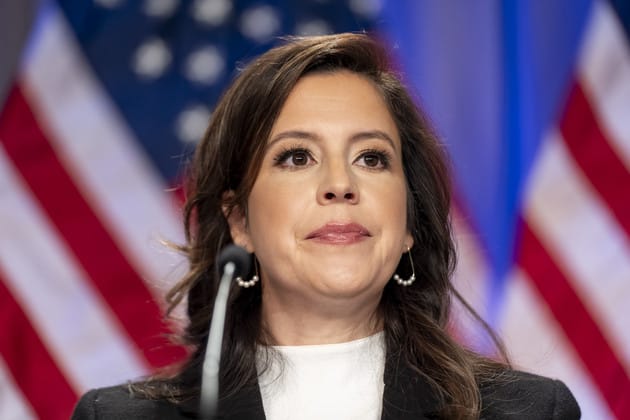
Stefanik’s nomination signifies more than a mere appointment; it embodies Trump’s vision for America’s position on the world stage. Her support for Trump has been unwavering, from defending him during his impeachments to vocalizing opposition to figures like Rep. Liz Cheney, R-Wyo. This loyalty has garnered her immense favor within Trump’s circle. However, proximity to Trump can have mixed outcomes, especially when balancing domestic party dynamics with international diplomacy.
Comparing Leadership Styles
Historically, past U.N. ambassadors like Nikki Haley and Kelly Craft possessed backgrounds that lent credibility to their roles. Haley’s experience as governor provided her a unique vantage point. Conversely, Stefanik’s experience centers around legislative politics. This difference invites speculation about her ability to navigate the complex world of international relations effectively.
While Haley maintained a degree of separation from the inner chaos of early Trump administration dynamics, she also grappled with the challenges of not having direct influence over key policy decisions. Stefanik may find herself similarly positioned: tasked with representing U.S. positions at the U.N. while wrestling with Trump’s unpredictable communications on Twitter that could undermine her stance.
Consequences of the Role
Stefanik’s appointment presents a paradox. The public-facing aspect of the ambassador role inherently limits her internal influence on the administration. Existing in Trump’s orbit but from a distance could significantly hinder her career trajectory. Politics demands validation from voters and party leaders, and if she takes up the U.N. role, her position may become less powerful than it is currently in the House.
Moreover, the diplomatic nature of U.N. negotiations requires a skill set potentially outside of her strengths. Stefanik’s success in politics derives from confronting adversaries and rallying supporters, not necessarily from robust engagement in complex international affairs. Efforts to engage with leaders in China and Russia may prove daunting without the requisite experience.
Domestic Political Landscape
Simultaneously, her nomination intertwines with domestic political maneuvering within the Republican Party. Should Stefanik ascend to the U.N. role, Republicans will likely scramble to fill her House leadership position. The implications of this shift could stall the legislative agenda, especially if her seat remains vacant during a special election, further complicating proceedings in the House.
As her path to confirmation unfolds, she must engage with Republican senators and demonstrate the value of her role. Her commitment to Trump’s policies may win her support, yet critics will undoubtedly scrutinize her capabilities and whether her policies align with broader Republican objectives.
Uncertain Future Directions
The ambiguity surrounding the implications of Stefanik’s nomination cannot be understated. Her past positions on critical issues, including Ukraine’s NATO membership and U.S. funding for the U.N., will continuously be put under the microscope. As we witness shifting sentiments regarding U.S. aid for Ukraine, will she be able to maintain her previous support while embracing Trump’s latest positions?
This nuance is imperative, especially as public opinion has gradually turned towards skepticism. Stefanik’s previous bipartisan support for Ukraine during its earlier struggles faces public scrutiny as she navigates party lines on foreign aid. Balancing these evolving viewpoints while maintaining her reputation will characterize her tenure at the U.N.
The U.N. Mission Ahead
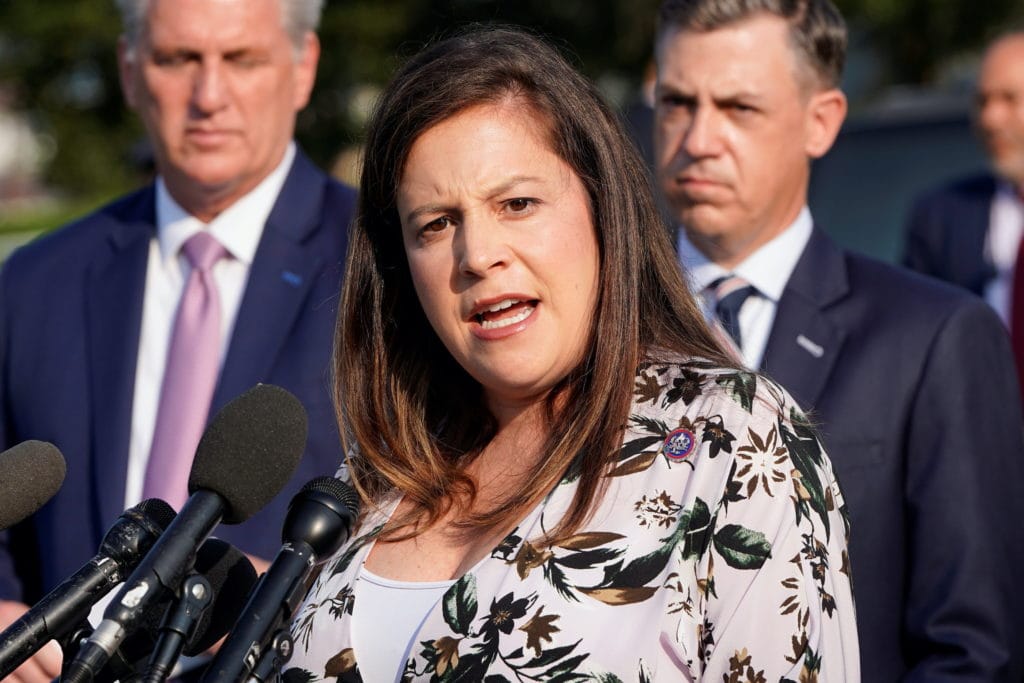
It remains vital to consider how Stefanik’s attitude towards the U.N. fits into her broader aspirations. Historically, the U.N. plays a crucial role in humanitarian efforts globally. The reality of Stefanik’s past statements and her desire to cut humanitarian funding in certain areas raises questions about her commitment to supporting vital missions. Most notably, her positions may spell further reductions in U.S. involvement in global humanitarian efforts.
Furthermore, her recent comments labeling the U.N. as a “den of antisemitism” have sparked controversy. Critics may argue her combative approach could exacerbate tensions within multilateral discussions about conflict resolution and global cooperation.
Preparing for Confirmation
As of now, Elise Stefanik steps into the public arena, activating her strategy to gain Senate confirmation. She meets with senators to advocate for her record, emphasizing her achievements in combating antisemitism and staunch support for Israel. These discussions will significantly influence her prospects and shape how politicians perceive her capability to lead at the U.N.
Her strategy must intertwine affirming Trump’s philosophy while aspiring to fulfill her ambitions. If successful, Stefanik could find herself uniquely positioned to play a pivotal role in shaping U.S. foreign policy, yet this balancing act holds considerable hurdles.
Conclusion
Elise Stefanik’s nomination as U.N. ambassador encapsulates both ambition and uncertainty. As a rising star sailing into distinctly uncharted waters, her path remains fraught with challenges. While her close ties to Trump present significant opportunities, they also cast shadows of doubt over what lies ahead for her and her career trajectory.
The world will be watching how she engages with intricate international issues while fortifying her foothold within the Trump-dominated Republican Party. Ultimately, only time will tell if the U.N. ambassadorship propels her further into the MAGA spotlight or leads to stagnation away from the domestic power plays that have defined her ascent thus far.