RFK Jr.’s Vaccine Views: A Global Flashpoint
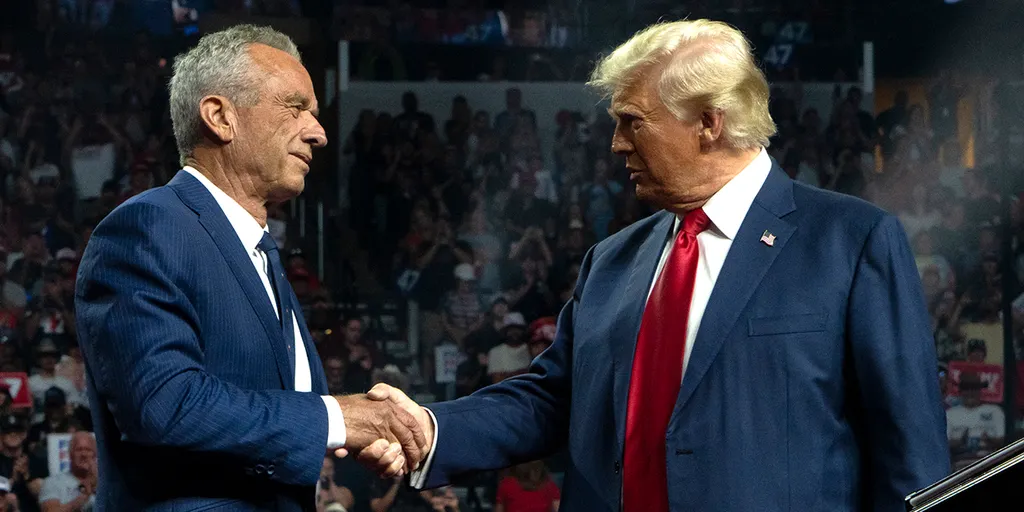
The nomination of Robert F. Kennedy Jr. (RFK Jr.) as Secretary of Health and Human Services by President Donald Trump has ignited a firestorm of debate. The public health implications of placing a prominent vaccine skeptic in charge of the U.S. health infrastructure have drawn sharp criticism, not only in America but abroad. This article delves into the global reaction, focusing on remarks by Caroline Kennedy, outgoing U.S. ambassador to Australia and RFK Jr.’s cousin, who voiced strong concerns about his controversial views.
Caroline Kennedy’s Warning
Speaking at the National Press Club in Canberra, Caroline Kennedy described her cousin’s vaccine views as “dangerous,” underscoring the potential risks of his policies. While emphasizing her reluctance to publicly discuss family matters, Kennedy expressed alarm at RFK Jr.’s history of promoting vaccine misinformation.
“Bobby’s views on vaccines are dangerous,” she stated. “I don’t think most Americans share them, but we’ll have to wait and see what happens.”
Caroline Kennedy contrasted RFK Jr.’s stance with her family’s legacy of championing public health. She highlighted the contributions of Senator Ted Kennedy, a key architect of affordable healthcare initiatives, and Eunice Kennedy Shriver, founder of the Special Olympics. These efforts, she noted, stand in stark opposition to RFK Jr.’s anti-vaccine rhetoric.
Implications of RFK Jr.’s Appointment
If confirmed, RFK Jr. would oversee a sprawling $1.7 trillion department that includes agencies like the CDC, FDA, and NIH. His history of advocating vaccine skepticism raises fears of weakened immunization campaigns, particularly in states where political polarization already hampers public health efforts.
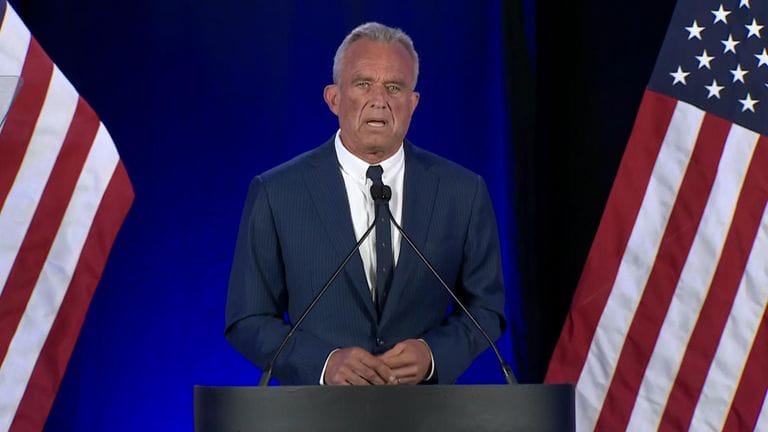
Experts warn that his leadership could lead to decreased vaccine uptake, risking outbreaks of preventable diseases like measles, polio, and rubella. Lawrence Gostin, a health law expert, stated, “He could create considerable distrust in vaccines, particularly in politically conservative areas.”
RFK Jr. has also hinted at restructuring key agencies, including the FDA and NIH, by cutting funding and replacing staff with individuals who align with his views. These changes could disrupt scientific research and undermine decades of progress in public health and biomedical innovation.
Australia’s Perspective on Trump’s Health Appointments
Australia, a close ally of the United States, has expressed unease over RFK Jr.’s potential influence on U.S. health policy. Caroline Kennedy noted that Australia relies on strong ties with American intelligence and health agencies, suggesting that RFK Jr.’s policies could strain this relationship.
Moreover, she voiced concerns about another of Trump’s appointees, Tulsi Gabbard, to the role of Director of National Intelligence. Gabbard’s controversial foreign policy stances, including her perceived closeness to Russia, have prompted questions about her suitability for the position.
The Broader Global Impact
The controversy surrounding RFK Jr. extends beyond vaccines. His proposals to remove fluoride from drinking water, overhaul food safety regulations, and prioritize alternative health treatments reflect a broader skepticism of established science. While some of these ideas may find support among certain segments of the population, they have alarmed health experts worldwide.
In her remarks, Caroline Kennedy emphasized the importance of maintaining trust in science-based policies. “The public health sector depends on the confidence of citizens,” she said, warning that RFK Jr.’s approach could erode that trust.
Aukus, Climate Policy, and U.S.-Australia Relations
Caroline Kennedy also addressed broader geopolitical concerns, including the Aukus alliance and climate policy. While she praised bipartisan support for Aukus, she conceded that climate action might slow under the Trump administration.
“The green energy transition is underway, but it may not be as fast,” she said, urging continued international collaboration on climate initiatives.
Conclusion: A Pivotal Moment for Public Health
The nomination of RFK Jr. represents a critical juncture for global public health and U.S. international relations. His controversial views challenge decades of scientific consensus, raising questions about the future of vaccine policy, scientific research, and health equity.
As Caroline Kennedy aptly summarized, “Let’s see what happens with these appointments, but there’s a lot at stake—not just for America but for the world.”
Sources:
- https://www.theguardian.com/us-news/2024/nov/18/caroline-kennedy-rfk-jr-cousin-vaccines-donald-trump-cabinet-health-secretary
- https://www.cnbc.com/2024/11/19/rfk-jr-is-trump-pick-for-hhs-secretary-heres-what-he-could-do.html
- https://www.foxnews.com/politics/nih-director-after-trump-nominates-rfk-jr-hhs-secretary-says-discouraging-vaccinations-disturbing