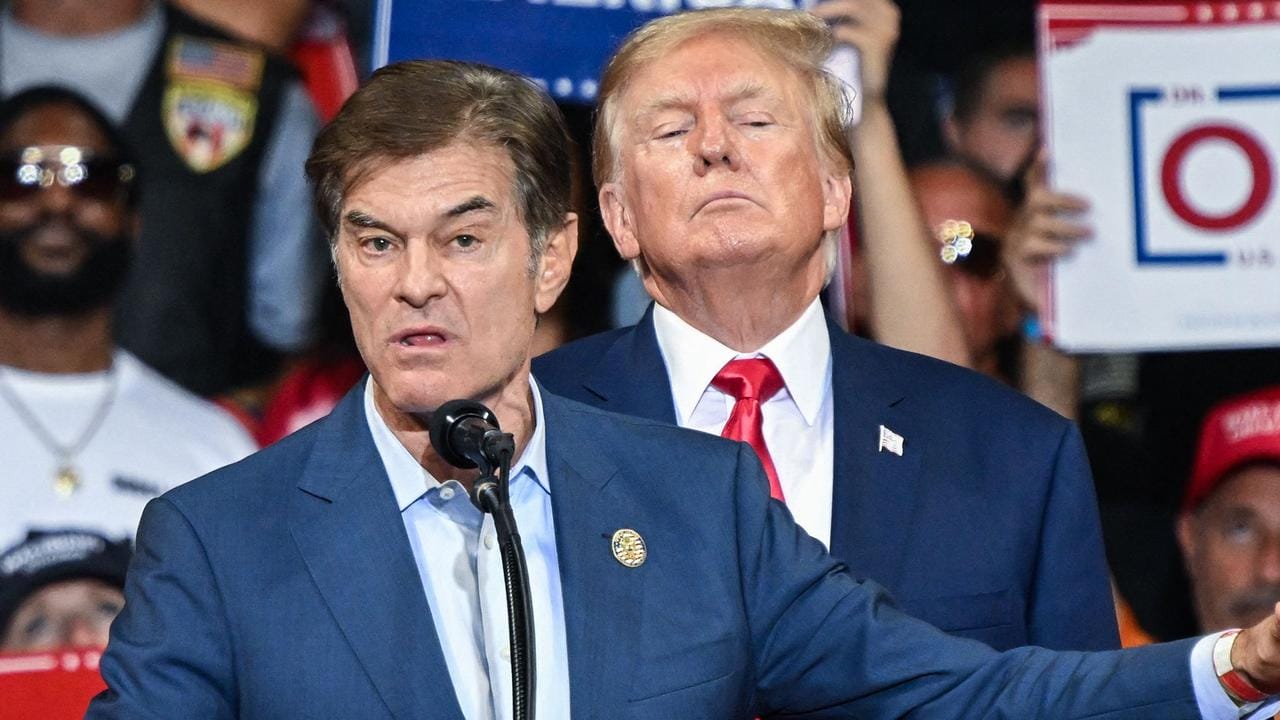
Trump’s Latest Healthcare Shake-Up: The Nomination of Dr. Oz
President-elect Donald Trump has made a bold and controversial move by nominating celebrity physician Dr. Mehmet Oz to lead the Centers for Medicare and Medicaid Services (CMS). Known to millions as the face of daytime television health advice, Dr. Oz will oversee programs providing health coverage to over 150 million Americans if confirmed. These include Medicare, Medicaid, and Affordable Care Act marketplaces.
Announced via Truth Social, Trump’s nomination was paired with his assertion that Dr. Oz would “cut waste and fraud” and collaborate with Robert F. Kennedy Jr., the nominee for Secretary of Health and Human Services. Together, they aim to tackle what Trump described as the “illness industrial complex.” This phrase encapsulates a deep skepticism toward traditional healthcare structures, a theme central to both Oz’s and Kennedy’s platforms.
Dr. Oz CMS Vision
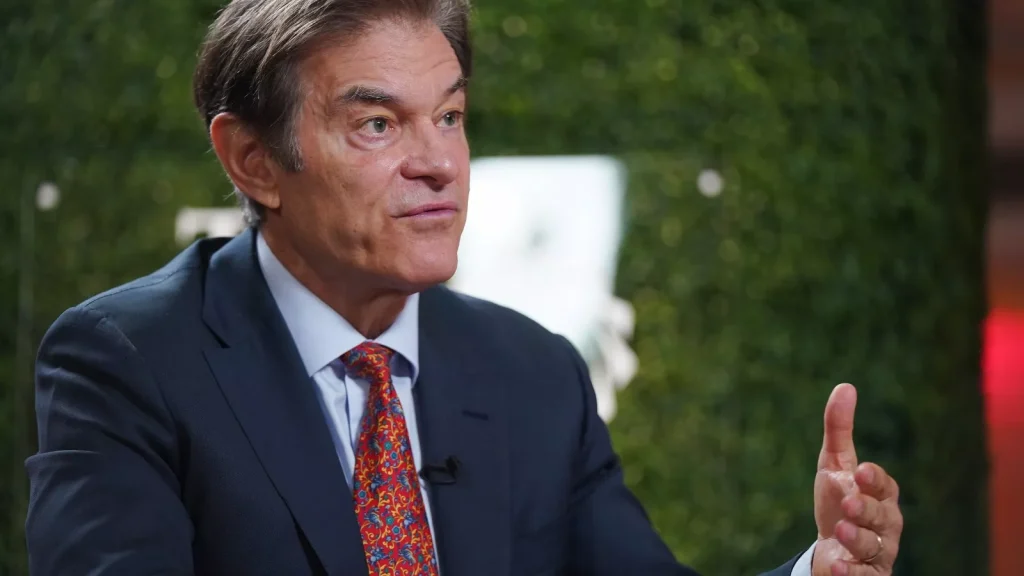
Dr. Oz’s appointment as CMS administrator is as unconventional as it is divisive. With a background in cardiothoracic surgery and a dual M.D. and MBA from the University of Pennsylvania, Oz has impressive credentials. However, his career has been marred by controversies surrounding his promotion of unproven health treatments and supplements. Critics question whether his celebrity-driven ethos is suited for the practical, bureaucratic demands of managing a $1.5 trillion agency.
Supporters argue that Oz’s focus on lifestyle medicine and prevention aligns with Trump’s vision to “Make America Healthy Again.” His emphasis on personalized care and advocacy for Medicare Advantage may indicate a shift toward privatization and consumer-driven healthcare. However, the ramifications of such changes remain uncertain, particularly for low-income populations reliant on traditional Medicaid.
A Divisive Record
Oz’s detractors are vocal. In 2015, prominent physicians petitioned Columbia University to remove him from its faculty, citing concerns about his promotion of “quack treatments.” During the COVID-19 pandemic, Oz was criticized for endorsing hydroxychloroquine without robust evidence. Public health experts, like Georgetown University’s Lawrence Gostin, have called his CMS nomination “unfit,” citing a track record of profit-driven medical claims.
Conversely, Oz’s supporters highlight his ability to communicate complex health issues to broad audiences. Senator Mike Crapo, R-Idaho, expressed interest in Oz’s approach, emphasizing the need for flexibility in federal health programs. Whether his advocacy for individualized care can translate into effective policy remains to be seen.
What This Means for Medicare and Medicaid

The nomination of Dr. Oz could signal a significant policy shift at CMS. Trump’s first term laid groundwork for the expansion of Medicare Advantage, the privately run arm of Medicare. Oz has publicly supported this model, suggesting its potential as a universal framework. Critics, however, warn that this approach could lead to further privatization, diminishing the safety net for vulnerable populations.
Medicaid’s future is equally uncertain. Under Trump’s leadership, the program faced increased state-level discretion, potentially limiting access for some beneficiaries. With Oz at the helm, the balance between innovation and equity will be a focal point of his tenure.
RFK Jr. and Oz: A Partnership in Controversy
If confirmed, Oz would report to Robert F. Kennedy Jr., another polarizing figure in Trump’s healthcare team. Both appointees have expressed skepticism toward established medical institutions. This alignment suggests a broader effort to overhaul traditional health systems. Yet, potential clashes over issues like vaccine policy and public health priorities could test their partnership.
The Larger Implications
Dr. Oz’s nomination reflects Trump’s broader strategy to disrupt conventional governance. By selecting figures outside the medical mainstream, Trump challenges entrenched bureaucracies and signals a preference for unorthodox solutions. This approach resonates with his base but raises concerns among experts about the risks of sidelining scientific consensus.
In the coming months, Senate confirmation hearings will serve as a litmus test for Oz’s vision for CMS. His supporters will argue that his outsider perspective brings fresh ideas to a stagnant system. Critics, meanwhile, will question whether his past controversies compromise his ability to lead one of the nation’s most critical agencies effectively.
Sources:
- https://www.npr.org/sections/shots-health-news/2024/11/19/nx-s1-5196969/dr-oz-trump-cms
- https://apnews.com/article/trump-commerce-lutnick-elections-transition-cabinet-79cdda378e2affb85722323160306b30
- https://www.pbs.org/newshour/show/a-look-at-dr-ozs-health-care-record-as-hes-nominated-to-key-post-by-trump