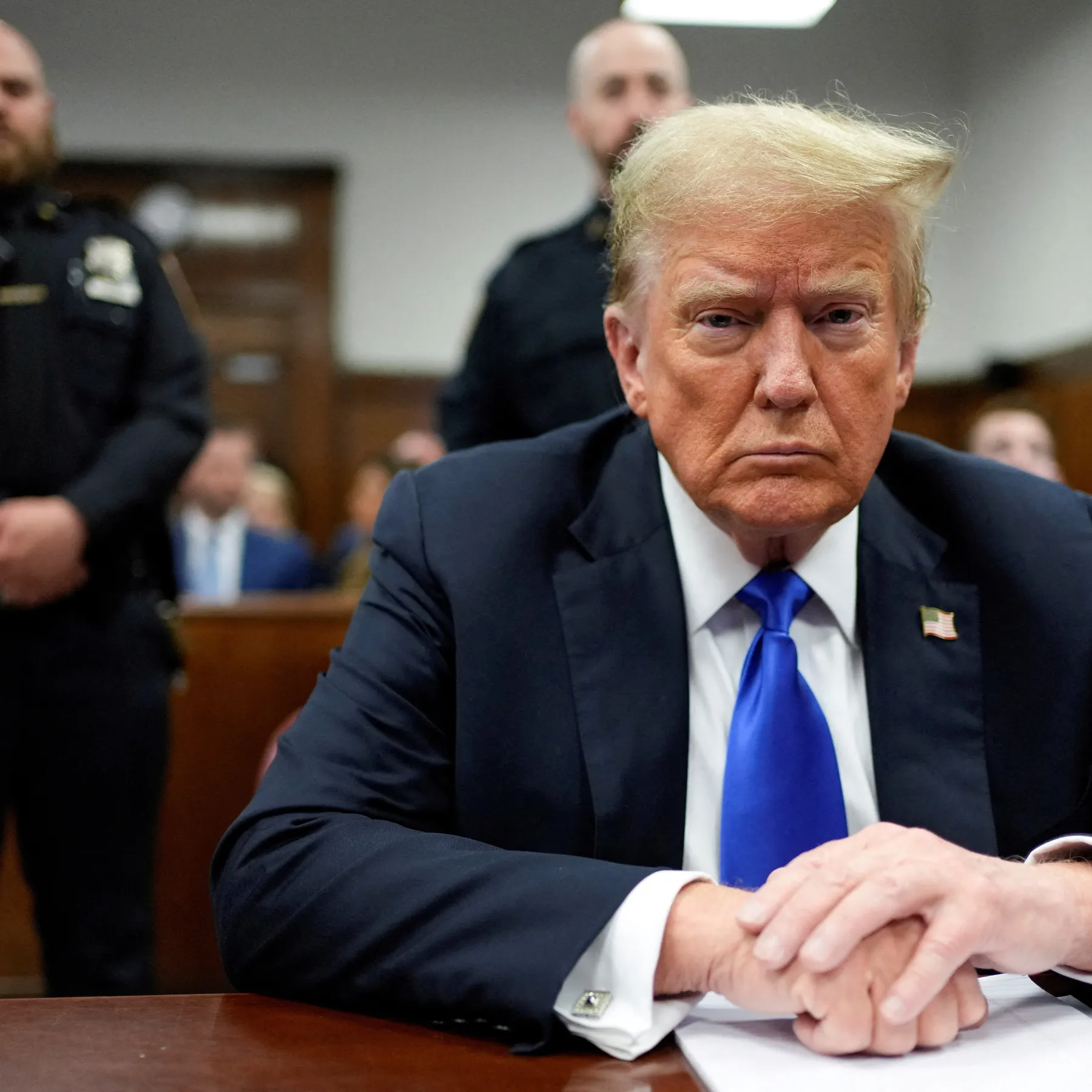
In a significant turn of events, the sentencing for President-elect Donald Trump regarding his hush money case has been postponed indefinitely. On November 22, 2024, Judge Juan Merchan issued a court order that not only temporarily halted the sentencing but also permitted Trump’s attorneys to file motions to dismiss the case entirely. This development raises questions about the implications for American democracy and Trump’s governance as he prepares to step into office once again.
The hush money case revolves around a pivotal incident involving Michael Cohen, Trump’s former lawyer, who paid adult film star Stormy Daniels $130,000 to prevent her from discussing an alleged sexual affair with Trump prior to the 2016 presidential election.
The Context of the Hush Money Case
The case has its roots in the political strategy employed during the 2016 election campaign. As Stormy Daniels threatened to reveal her claims of an affair, Trump allegedly directed Cohen to arrange a payment to silence her. The jury found Trump guilty of 34 felony counts of falsifying business records in May 2024, marking a historic moment as no previous U.S. president has faced such legal consequences.
Turning back to the recent developments, the Manhattan District Attorney’s Office suggested postponing the sentencing to allow Trump’s lawyers time to present arguments for dismissal. This recommendation, however, comes amidst strong opposition from prosecutors who intend to contest the dismissal efforts.
The Legal Arguments Surrounding the Case
Trump’s defense team, led by Todd Blanche, argues that—similar to the protections afforded to a sitting president—he should also enjoy immunity as a president-elect. They contend that proceeding with the case would create “unconstitutional impediments” to Trump’s ability to govern effectively.
In their court filings, Blanche and attorney Emil Bove emphasized the potential destabilizing effects that this case might have on government operations. They articulated their position, stating that “dismissal is necessary to facilitate the orderly transition of executive power.” For them, and many supporters, this represents not just a legal battle but a broader struggle against what they characterize as politically motivated prosecutions.
The Prosecutorial Response
Conversely, the prosecutors maintain that any claims of presidential immunity are unfounded concerning actions that took place before Trump assumed office. They argue that the judicial process must uphold its integrity regardless of the political climate. By supporting the delay, they provided an opportunity for both sides to present their cases without pushing for immediate sentencing, which might leave unresolved issues regarding the merits of the case.
This legal back-and-forth highlights the tension between the executive and judicial branches—an essential dynamic in American democracy. The unique nature of the case amplifies these challenges, given that it involves a former president who is set to assume the highest office again.
The Implications for American Democracy
The inquiry into Trump’s hush money case is more than a singular legal issue; it embodies the intersections of law, politics, and public opinion. As we reflect on the events that have unfolded, it becomes crucial to consider how this case fits into the broader narrative of accountability and governance in the United States.
Critics of the prosecution argue that it exemplifies a politicized legal system that undermines the democratic process. Proponents of accountability counter that the rule of law must prevail no matter the status of the defendant. Thus, the implications of this case resonate well beyond the courtroom, challenging citizens to grapple with fundamental questions about justice and political power.
What Lies Ahead
Looking ahead, Trump’s lawyers must file their arguments for dismissal by December 2, 2024, while prosecutors have until December 9 to respond. Judge Merchan’s decision to provide a timeline speaks to the seriousness of the matter at hand; however, it remains uncertain when he will resume proceedings or rule on the motions.
The timeline also coincides with Trump’s inauguration on January 20, 2025. As he takes office, the potential for legal complications looms large, leaving many to wonder whether this case—and potentially future cases—will overshadow his presidency.
Moreover, if the case progresses, it may set a precedent for how rising political figures face accountability in the United States. This is especially critical as Trump not only navigates his legal battles but also endeavors to unite a deeply divided electorate.
The Key Takeaway
The indefinite postponement of the sentencing in Trump’s hush money case raises significant questions about the intersection of law and politics in America. As the legal developments unfold, they will likely shape the narrative around Trump’s presidency and accountability mechanisms moving forward.
With ongoing partisan divides and varying public sentiments, the outcome of the hush money case will not only impact Trump’s political future but also influence how Americans perceive the integrity of their political system.
Conclusion
The Trump hush money case illustrates a complex web of legal, political, and social dimensions that affect American democracy at its core. As citizens, we must remain engaged and informed about these developments, understanding that the health of our democratic systems hinges on accountability and transparency.
The world watches closely as this unprecedented situation continues to unfold. The resolutions made in the courtroom over the coming weeks might serve as a testament to the resilience of justice or the fragility of political norms, and it demands our attention.
Sources: