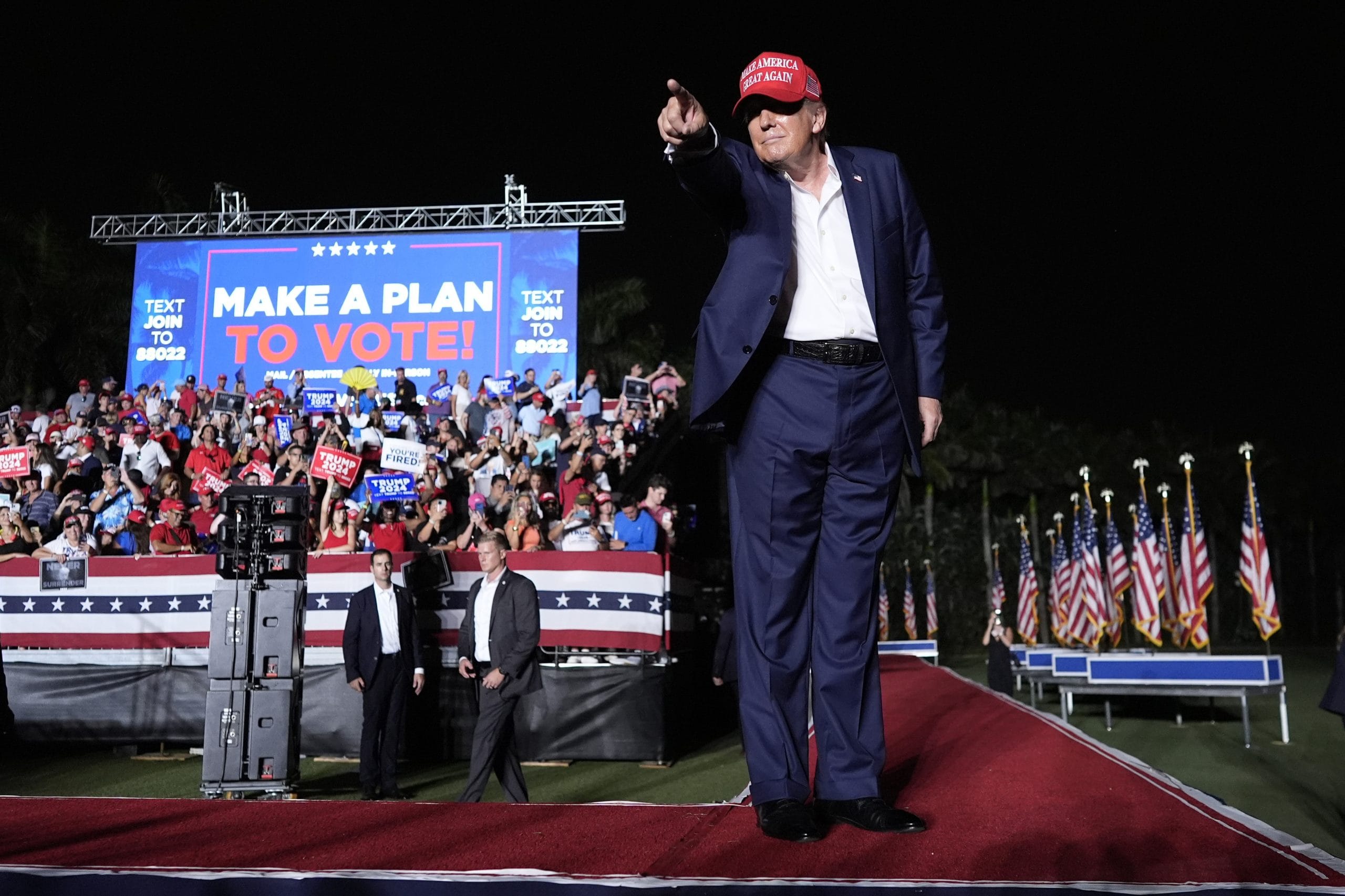
The Unexpected Journey of RFK Jr. to Trump’s Circle
Cora S. brings to you an exploration of a striking political transformation involving Robert F. Kennedy Jr. and Donald Trump. Once a vocal critic, Kennedy now finds himself positioned as Trump’s nominee for Secretary of Health and Human Services. The complexities of his journey demand scrutiny, particularly given his previous comparisons of Trump to Adolf Hitler. This shift poses questions about loyalty in today’s political scene, where allegiances appear to shift with ambition.
RFK Jr. and His Controversial Past
Before his recent nomination, Kennedy openly criticized Trump’s approach to leadership and policy. Historical conversations reveal that he has not just criticized Trump but drew inflammatory comparisons to historical tyrants. During a 2016 radio episode of “Ring of Fire,” he asserted, “The way that you build a truly vicious nationalist movement is to wed a relatively small core of belligerent idiots to a much larger group of opportunists.” Here, Kennedy implied a troubling dynamic in Trump’s support base, categorizing it as dangerous and potentially authoritarian.
Kennedy, in another episode, expressed concern over Trump’s ability to impact the nation negatively. He indicated that Trump’s rhetoric preys on societal insecurities. Specifically, he referred to Trump’s statements as fear-inducing, fostering division among minority groups. Such characterizations aren’t just his opinion but align him with an analysis of how demagogues exploit fear and division during crises—much like Hitler, Mussolini, and others throughout history.
A Shift in Allegiance
Incredibly, after these incendiary remarks, Kennedy has managed to transition into Trump’s circle. Many speculate that ambition fuels this change, as Kennedy sought political leverage by aligning with Trump following his resignation from the presidential race. He even went so far as to seek a cabinet position, leading to subsequent appointments. In a statement to CNN, he admitted, “I allowed myself to believe the mainstream media’s distorted, dystopian portrait of President Trump. I no longer hold this belief and now regret having made those statements.”
This proclamation raises eyebrows. Voters and political enthusiasts question whether Kennedy truly believes his own words or is merely attempting to safeguard his political fortune. Such behavior feeds into narratives of opportunism that often dominate political discourse.
Vance and Gaetz: A Pattern of Political Loyalty
Kennedy’s behavior closely mirrors that of J.D. Vance, who previously likened Trump to “America’s Hitler.” Vance shared his conflicted thoughts via text during the 2016 election. The patterns of behavior among these political figures highlight a broader trend: the desire to secure a position of power often overshadows earlier criticisms. Both Kennedy and Vance now clasp Trump firmly, rapidly reversing their stances for political gain.
Matt Gaetz, another notable figure entangled in scandal, withdrew from consideration for Attorney General due to an ongoing ethics investigation. His departure illustrates that the path to power within Trump’s inner circle appears littered with controversies and questionable past actions. The political landscape continues to evolve rapidly, and Kennedy’s acceptance into Trump’s administration may signal a new chapter in Republican politics.
Critique of Environmental Legacy
Kennedy’s past extends beyond his comments on Trump; it includes sharp critiques of environmental policies. He condemned Trump’s decision-making as “pollution-based prosperity.” This critical stance may clash with his new responsibilities overseeing health and human services. Given his history, will he continue to advocate for stringent environmental policies, or will his alignment with Trump silence those earlier sentiments?
The juxtaposition of his past criticisms with his newfound role creates a notable dynamic. While Kennedy’s commitment to environmental issues has been strong, will he compromise for political expedience? The ramifications of such a choice could reverberate throughout his new position and, by extension, the agencies he will oversee.
The Broader Implications
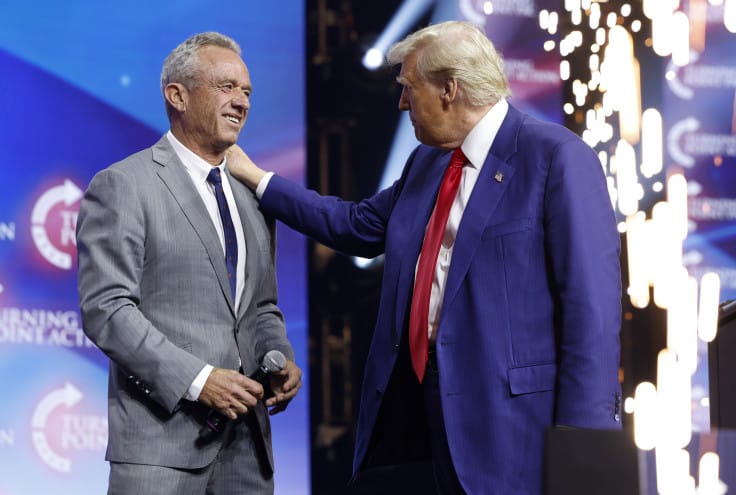
The implications of RFK Jr.’s journey have far-reaching connections. The rise of figures like Kennedy suggests that character assessment might need adjustment within the political sphere. The fundamental question emerging in this rapidly shifting environment revolves around trustworthiness and accountability. How can voters determine who remains authentic amidst swirling rhetoric?
Kennedy’s convergence with Trump presents a scenario that embodies contradictions prominent in various political landscapes. The ambiguity surrounding loyalties raises fundamental challenges for constituents aiming to locate responsible leaders.
Moreover, as we explore the actions of public figures, it becomes vital to consider how personal ambition and political strategy intertwine. Perhaps loyalty is merely transactional, wherein those previously critical of Trump can reformulate their opinions when it serves their aspirations.
Conclusion
In summary, RFK Jr.’s transformation highlights the complexities embedded in today’s political climate. As he embraces a role in Trump’s administration, one must ponder the authenticity of his earlier statements. Has he genuinely renounced his previous views, or is this merely a strategic pivot to absorb the political realities of his ambition?
In any case, the keyphrase “Trump Hitler Comparison” succinctly summarizes the contradictory nature of current political alignments, framing a narrative that continues to unfold with considerable consequences.
As the political stage evolves, thoughtful discourse remains essential. Readers must consider the implications of these shifts and remain vigilant in holding leaders accountable, especially in an era where facts often intertwine with fiction.
Sources:
- https://www.rollingstone.com/politics/politics-news/rfk-jr-compared-trump-hilter-1235176020/
- https://www.mediaite.com/trump/rfk-jr-in-unearthed-audio-compared-trump-to-hitler-and-called-his-supporters-belligerent-idiots-and-outright-nazis/
- https://www.latintimes.com/rfk-jr-heard-resurfaced-audio-saying-trump-not-like-hitler-because-hitler-had-plan-566635