A Turbulent Transition: Gaetz Steps Back
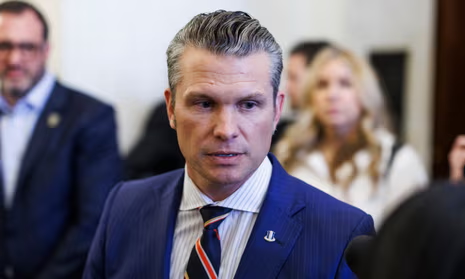
In a surprising but calculated move, former Congressman Matt Gaetz announced his withdrawal from consideration for President-elect Donald Trump’s nomination as U.S. Attorney General. This decision came amidst swirling controversy, returning allegations of sexual misconduct back into the spotlight. Gaetz, a polarizing figure in American politics, stated his resignation was necessary to prevent being a distraction to the “critical work of the Trump/Vance Transition.”
His decision embodies the ongoing battle between political ambition and personal integrity. With the backdrop of a fraught political climate, Gaetz’s reputation has continuously sparked conflict within the Republican Party, making his withdrawal notable. This article will explore the unfolding dynamics around Gaetz’s resignation, the implications for Trump’s administration, and what comes next.
Unpacking Gaetz’s Statement
On Thursday, November 21, Gaetz expressed in a social media post that “there is no time to waste on a needlessly protracted Washington scuffle.” His words reflect a sophisticated understanding of the political landscape. As concerns about his suitability arose, Gaetz recognized that persistent allegations were undermining the efforts of the incoming administration. Despite previously fortifying his support from many Senate Republicans, he came to realize that the road to confirmation would be fraught with hurdles.
“I had excellent meetings with Senators yesterday,” he elaborated, underscoring a sense of hopeful optimism. However, it became apparent that even with strong backing, the challenges he faced were formidable. Those challenges stemmed not only from his contentious past but also from looming ethics investigations. Ultimately, his choice to step back demonstrates a keen awareness of the necessity for political expediency in these critical transitional moments.
The Ethical Storm

The allegations surrounding Gaetz involve serious implications, including accusations of drug use, improper gifts, and sexual misconduct. Specifically, the investigation into whether Gaetz engaged in sex trafficking a minor concluded last year without any criminal charges. However, the House Ethics Committee renewed its investigation, potentially damaging his candidacy from the outset.
Critically, it has been reported that a woman informed the ethics panel of two sexual encounters she had with Gaetz when she was just 17 years old. Gaetz has continually denied these claims, yet they persist in the public discourse. The existing cloud of suspicion made it increasingly unlikely that Gaetz would successfully secure confirmation, which is underscored by reactions from GOP senators. These reactions range from disappointment to relief, indicative of the divided sentiments surrounding Gaetz’s nomination.
Political Reactions Pour In
Following the announcement of his withdrawal, responses from the Republican Party were varied but predominantly relieved. Senator Susan Collins remarked that Gaetz “put country first.” Meanwhile, Senator Mike Rounds indicated that it fell upon the Senate to navigate the balance between consent and presidential nomination power. As political analysts observe, Gaetz’s decision to step back may open pathways for a more widely accepted AG candidate.
The Democratic response was tinged with bemusement. The reluctance to entertain Gaetz’s appointment stemmed from the toxic combination of accusations and political divisiveness that had marked his tenure in the House. Some Democrats expressed sarcasm regarding Gaetz’s failure to secure the position. Senator John Fetterman’s comments especially captured a tone of irony that resonates within the ongoing rivalry between both parties.
Trump’s Next Moves
Trump’s transition team, represented by spokeswoman Karoline Leavitt, stated that the president-elect “remains committed to choosing a leader for the Department of Justice who will strongly defend the Constitution.” Accordingly, the search for a new candidate has begun, and speculation arises regarding who might fill such a significant position within the administration. Observers across the political spectrum now wonder who will be Trump’s next selection.
The withdrawal of Gaetz may lead to a more measured choice, particularly considering the robust scrutiny from both Senate Republicans and Democrats. Senators will likely seek a candidate who can weather the political storm without bringing unnecessary controversy. Yet, one question remains: can Trump select a candidate who satisfies both the administration’s agenda and the Senate’s requirements for confirmation?
A Broader Implication for the Republican Party

This incident serves as a microcosm of larger issues within the Republican Party. Gaetz’s ascent to his prior position demonstrated the strength of populism within GOP ranks. However, this withdrawal signifies the impact of personal controversies on public service aspirations. As politicians continue to navigate their careers, balancing ambition, ethics, and public perception has proven incredibly challenging.
In recent years, the GOP has found itself at the crossroads of traditional conservatism and a defiant, populist wave. Gaetz’s withdrawal highlights the growing pains of a party that continues to grapple with its identity in an evolving political arena. Moving forward, Republican leaders will likely reflect on the implications of Gaetz’s exit as they begin to shape the party’s future direction.
The Road Ahead: Potential Candidates
As the search for a new Attorney General nominee commences, various political commentators have speculated on potential candidates. Names like Ken Paxton, the Texas attorney general, have surfaced, alongside others who may align more comfortably with the Senate’s expectations. The opportunity to reshape the Justice Department presents a pivotal moment for Trump, one that could either reinforce or undermine his legislative agenda.
Ultimately, the need for a candidate who can not only get confirmed but also command respect within this delicate political environment has never been greater. Thus, the spotlight falls on Trump as he weighs his options and considers his next move.
Conclusion: A Needed Course Correction
Matt Gaetz’s withdrawal as President-elect Trump’s nominee for Attorney General serves as a significant shift not only in his own political journey but also within the larger Republican narrative. This episode emphasizes the intricate dance between ambition and ethical accountability.
As the political landscape shifts yet again, readers must remain cognizant of the qualities that define leadership in the face of evidence and scrutiny. The unfolding implications present challenges and opportunities alike, posing critical questions about the future direction of both Trump’s administration and the GOP as a whole.
Looking ahead, the political discourse surrounding ethics, transparency, and public faith in leadership will remain a key focus. Each nomination carries weight, and this moment serves as a reminder that accountability must play a crucial role in cultivating a righteous political environment.
Sources: